
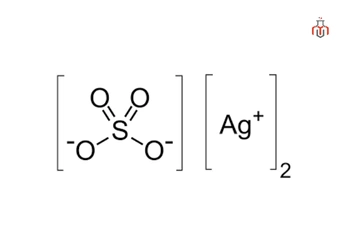
Silver Sulfate (Ag₂SO₄) is an inorganic silver salt composed of silver ions (Ag⁺) and sulfate ions (SO₄²⁻). It appears as a white crystalline solid and is moderately soluble in water compared to other silver salts such as silver chloride.
Silver Sulfate is primarily used in analytical chemistry, electrochemical applications, and as a precursor in the synthesis of other silver-based compounds. Due to its ability to release silver ions, it also exhibits antimicrobial properties, making it relevant in specialized pharmaceutical and laboratory applications.
CAS No.: 10294-26-5
Synonyms: Silver(I) sulfate; Disilver sulfate; Ag₂SO; Argentous sulfate; sulfato de prata; sulfato de plata; Argentum sulfate; Sulfate d’argent
| Physical Properties | |
| Chemical Formula | Ag₂SO₄ |
| IUPAC Name | Silver(I) sulfate |
| Molecular Weight | 311.80 g/mol |
| Solubility | Moderately soluble in water (~8 g/L at 25°C) |
| Boiling Point | 1,085 °C |
| Melting Point | 652.2–660 °C |
| Chemical Properties | |
| Appearance | White to gray crystalline powder |
| Odor | Odorless |
| Density | 5.45 g/cm3 (25 °C) |
Silver Sulfate is primarily utilized as a controlled source of silver ions in laboratory, analytical, and specialized industrial applications. Its moderate solubility and stability make it suitable for systems where a regulated release of Ag⁺ ions is required.
| Pictograms : | 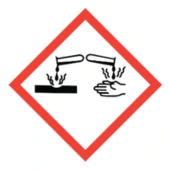 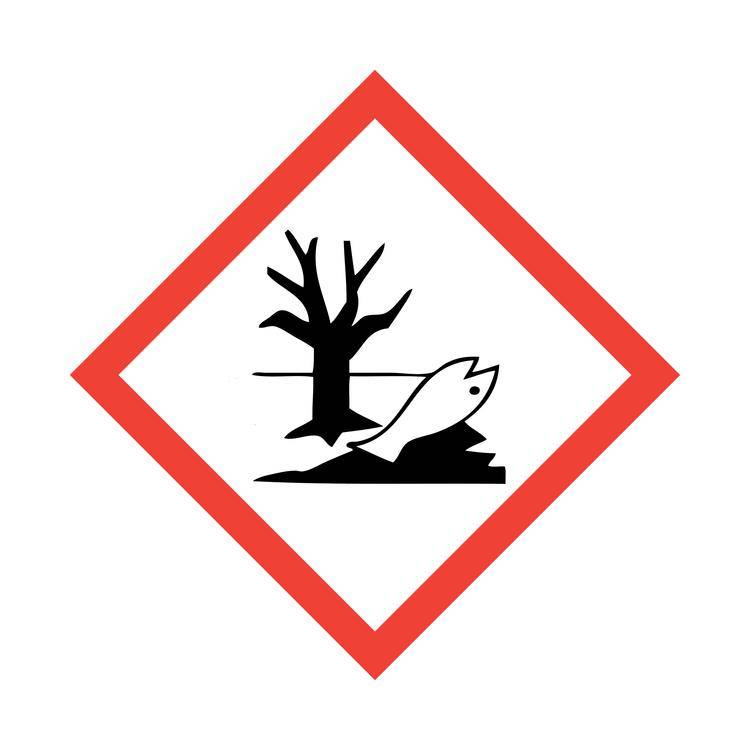 |
| Hazard Statements : | H318 Causes serious eye damage |
| Precautionary statements : | Precautionary statements – prevention P273 Avoid release to the environment P280 Wear protective gloves/protective clothing/eye protection/face protection/hearing protection/… Precautionary statements – response P305+P351+P338 IF IN EYES: Rinse cautiously with water for several minutes. Remove contact lenses, if present and easy to do. Continue rinsing P310 Immediately call a POISON CENTER/doctor P391 Collect spillage |
Silver Sulfate (Ag₂SO₄) is an inorganic silver salt composed of silver ions (Ag⁺) and sulfate ions (SO₄²⁻). It appears as a white crystalline solid and is moderately soluble in water compared to other silver salts such as silver chloride.
Silver Sulfate is primarily used in analytical chemistry, electrochemical applications, and as a precursor in the synthesis of other silver-based compounds. Due to its ability to release silver ions, it also exhibits antimicrobial properties, making it relevant in specialized pharmaceutical and laboratory applications.
CAS No.: 10294-26-5
Synonyms: Silver(I) sulfate; Disilver sulfate; Ag₂SO; Argentous sulfate; sulfato de prata; sulfato de plata; Argentum sulfate; Sulfate d’argent
| Physical Properties | |
| Chemical Formula | Ag₂SO₄ |
| IUPAC Name | Silver(I) sulfate |
| Molecular Weight | 311.80 g/mol |
| Solubility | Moderately soluble in water (~8 g/L at 25°C) |
| Boiling Point | 1,085 °C |
| Melting Point | 652.2–660 °C |
| Chemical Properties | |
| Appearance | White to gray crystalline powder |
| Odor | Odorless |
| Density | 5.45 g/cm3 (25 °C) |
Silver Sulfate is primarily utilized as a controlled source of silver ions in laboratory, analytical, and specialized industrial applications. Its moderate solubility and stability make it suitable for systems where a regulated release of Ag⁺ ions is required.
| Pictograms : | |
| Hazard Statements : | H318 Causes serious eye damage |
| Precautionary statements : | Precautionary statements – prevention P273 Avoid release to the environment P280 Wear protective gloves/protective clothing/eye protection/face protection/hearing protection/… Precautionary statements – response P305+P351+P338 IF IN EYES: Rinse cautiously with water for several minutes. Remove contact lenses, if present and easy to do. Continue rinsing P310 Immediately call a POISON CENTER/doctor P391 Collect spillage |
