

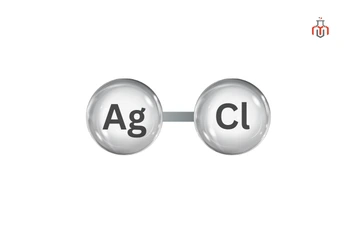
Silver Chloride (AgCl) is an inorganic compound composed of silver and chlorine. It appears as a white crystalline solid and is well known for its light-sensitive properties. It is used to make photographic paper and pottery glazes. It is also found in stained glass colorants, bandages, and other wound healing products, and may be used as an antidote to mercury poisoning.
In scientific and industrial applications, silver chloride is important in electrochemistry for reference electrodes and is widely used in analytical chemistry, antimicrobial products, and photographic materials.
CAS No.: 7783-90-6
Synonyms: chlorosilver; AgCl; Argentum Muriaticum; Silver monochloride; Chlorure d’argent;
| Physical Properties | |
| IUPAC Name | Chlorosilver |
| Molecular Formula | AgCl |
| Molecular Weight | 143.32 g/mol |
| Appearance | Crystalline powder |
| Color | White to off-white |
| Odor | Odorless |
| Chemical Properties | |
| Color Change | Turns grey to violet upon exposure to light |
| Vapor pressure | 1 mm Hg ( 912 °C) |
| Melting Point | 455 °C |
| Boiling Point | 1547 °C |
| Density | 5.56 g cm−3 |
| Flash point | 1550°C |
| Solubility | Insoluble in water |
| Pictograms : |  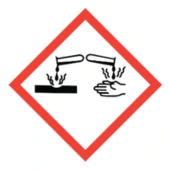 |
| Hazard Statements : | H290 May be corrosive to metals. |
| Precautionary statements: | P234 Keep only in original packaging. P273 Avoid release to the environment. P390 Absorb spillage to prevent material damage. P391 Collect spillage. P501 Dispose of contents/ container to an approved waste disposal plant. |
Silver Chloride (AgCl) is an inorganic compound composed of silver and chlorine. It appears as a white crystalline solid and is well known for its light-sensitive properties. It is used to make photographic paper and pottery glazes. It is also found in stained glass colorants, bandages, and other wound healing products, and may be used as an antidote to mercury poisoning.
In scientific and industrial applications, silver chloride is important in electrochemistry for reference electrodes and is widely used in analytical chemistry, antimicrobial products, and photographic materials.
CAS No.: 7783-90-6
Synonyms: chlorosilver; AgCl; Argentum Muriaticum; Silver monochloride; Chlorure d’argent;
| Physical Properties | |
| IUPAC Name | Chlorosilver |
| Molecular Formula | AgCl |
| Molecular Weight | 143.32 g/mol |
| Appearance | Crystalline powder |
| Color | White to off-white |
| Odor | Odorless |
| Chemical Properties | |
| Color Change | Turns grey to violet upon exposure to light |
| Vapor pressure | 1 mm Hg ( 912 °C) |
| Melting Point | 455 °C |
| Boiling Point | 1547 °C |
| Density | 5.56 g cm−3 |
| Flash point | 1550°C |
| Solubility | Insoluble in water |
| Pictograms : | |
| Hazard Statements : | H290 May be corrosive to metals. |
| Precautionary statements: | P234 Keep only in original packaging. P273 Avoid release to the environment. P390 Absorb spillage to prevent material damage. P391 Collect spillage. P501 Dispose of contents/ container to an approved waste disposal plant. |
