
What are Preservatives in Cosmetics?
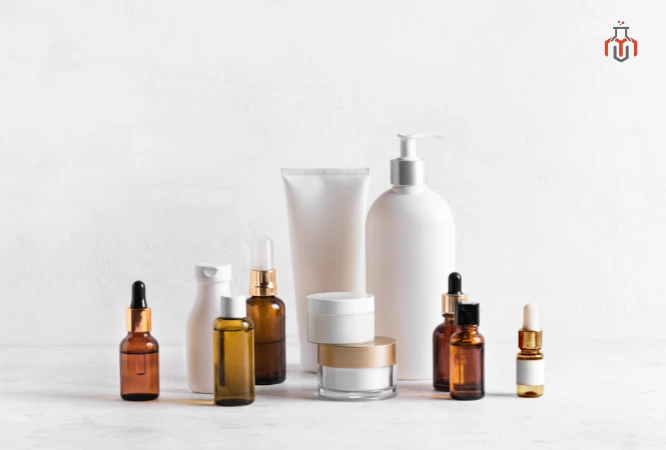
In cosmetic and beauty product formulations, a variety of other materials are added apart from the main active ingredients, such as emollients, humectants, chelating agents, colorants, fragrances, and preservatives, to improve their appearance, effectiveness, and shelf life.
Preservatives in cosmetics are substances added to cosmetic formulations to maintain pH, prevent microbial contamination, improve product life, and maintain formulation stability. In regulatory terms, a preservative is a substance of natural or synthetic origin intended to inhibit the development of microorganisms.
Preservatives are commonly used in cosmeceutical products such as fragrances, lipsticks, shampoos, creams, hair care products, and body washes.
Why are Preservatives necessary in Cosmetics?
Preservatives are essential in cosmetics because many products contain water and organic, nutrient-rich ingredients, which favour microbial growth. Cosmetic products also have a neutral pH range, and they provide an environment particularly susceptible to the survival and growth of microorganisms. Exposure to air, moisture, heat, and repeated consumer use further increases the risk of contamination. Products of cleaning and bathing are commonly stored in domestic bathrooms, where there is a high chance of contamination due to moisture, humidity, and darkness. Without preservatives, cosmetic products can spoil quickly, leading to changes in texture, color, odor, and effectiveness.
By restricting microbial fermentation, preservatives protect consumers from potential skin infections, irritation, and adverse reactions, ensuring that cosmetic and personal care products remain safe and effective from the time of manufacture until the last use.
Purpose and Importance of Preservation
The purpose of preservation is to protect cosmetic products from microbial contamination and maintain their quality throughout their shelf life. An effective preservation system helps preserve the product’s appearance, stability, and performance while ensuring it remains safe for consumer use from manufacture until the final application.
Cosmetic products without effective preservation can be affected in the following ways:
Microbial contamination: Microorganisms can produce toxins in the product, which are harmful. It may lead to the risk of skin irritation, eye infections, and other health problems.
Product spoilage: The growth of bacteria and fungi can gradually damage the cosmetic ingredients, which can cause the product to acquire an unpleasant odor, change color, or become too thick, slimy, or uneven in texture.
Reduced product performance: Some microorganisms may have a negative effect on active ingredients and make the product less effective over time.
Short shelf life: If microbial growth is not controlled, then the products may spoil prematurely.
Role of Preservatives in Preventing Microbial Growth
Preservatives play an important role in cosmetic formulations by inhibiting the growth of bacteria, yeast, and mold. The absence of an effective preservative system can lead to the growth of microorganisms in the product and degrade the quality and performance. It ensures that cosmetic products remain safe, stable and effective for the specified shelf life.
The main role of preservatives in cosmetic products includes:
- Enhancing Product Safety: Preservatives are essential for protecting cosmetic products from contamination by harmful bacteria, molds, and fungi, particularly in water-based formulations. By preventing microbial growth throughout the product’s shelf life, they help reduce the risk of skin irritation, infections, and other health concerns associated with contaminated cosmetics.
- Product Integrity: Preservatives are useful in maintaining the chemical and physical integrity of cosmetics. They prevent microbial damage and help maintain product quality, which includes color, fragrance, and texture. This helps maintain the sensory properties of the product.
- Regulatory requirements: There are regulations in many countries to ensure the product safety for consumer use. Using preservatives is necessary to meet these standards. The regulations must be followed by cosmetic manufacturer before their product are sold in the market.
- Ensuring product consistency: Preservatives are often employed to maintain consistency in quality across various production batches by reducing the risk of microbial contamination.
- Protecting water-based formulations: Many cosmetic products contain water which makes them especially susceptible to microbial growth. Preservatives inhibit the growth of bacteria, yeast and mold and help keep the product safe and stable.
Types of Preservatives Used in Cosmetics
Based on the origin and method of synthesis, cosmetics preservatives are categorised mainly into two natural (naturally derived) and artificial (synthetic).

Natural and Green Preservatives
Natural preservatives used in cosmetic formulations provide effective protection against microbial contamination while remaining compatible with other formulation ingredients. They must be safe for the skin, comply with cosmetic regulations, and be derived from renewable or responsibly sourced materials to support more sustainable product development.
How Green Preservatives Protect Your Product
Green preservatives are essential components of cosmetic formulations that help maintain product safety and microbiological stability by inhibiting the growth of unwanted microorganisms. Water-containing cosmetic products, such as creams, provide favorable conditions for the growth of bacteria, yeasts, and molds. Without an effective preservative system, microbial contamination can occur during manufacturing, storage, or regular consumer use, leading to product spoilage, reduced shelf life, and potential safety concerns.
Green preservatives work through different antimicrobial mechanisms. Some create conditions that limit microbial growth, while others contain naturally derived bioactive compounds that disrupt microbial cell membranes or interfere with essential cellular functions. Together, these mechanisms inhibit the growth of microorganisms, helping maintain the quality, stability, and safety of cosmetic products throughout their intended shelf life.
Understanding Common Green Preservatives
There are many green preservatives available for cosmetic products, which makes little confusing to choose the right one. The best way to select the right preservative is to understand how each one works. Once you are familiar with the different categories, it becomes much easier to recognize these ingredients on product labels and understand why they’re used.
Most natural preservatives fall into three main groups:
Organic acids: There are various natural preservatives that are commonly used, such as benzoic acid, sorbic acid, and salicylic acid.
Essential oils and plant extracts: It provides bulk of skincare benefits by using many plant-based ingredients which can help reduce the growth of microbes. example, tea tree oil, rosemary extract, and grape seed extract.
Bio-Ferments and Peptides: These are newer natural preservative options that use ingredients produced through fermentation to help protect cosmetic products from microbial growth.
The Biggest Challenge for Cosmetic Formulators
The biggest challenge cosmetic formulators face today is whether to use conventional preservatives, which have lower consumer trust, or meet the growing demand for paraben-free and formaldehyde-free products. Luckily, over the years, the marketplace has developed a solution to overcome this challenge is to use multifunctional ingredients that provide additional antimicrobial support. These types of ingredients have primary antimicrobial functions but also provide properties such as emollients, humectants, or surfactants.
However, unlike conventional preservatives, multifunctional ingredients are more complex to use because they need to be blended to achieve broad-spectrum protection against different microorganisms. Their advantage is that they can be used in combination with conventional preservatives to reduce use levels for extra mildness and well-balanced preservation.
The Growing Influence of Consumer Awareness
Today’s consumers are more ingredient-aware than ever. Many consumers look at labels, compare products online, and seek out clear and clean beauty products. They also use online resources and ingredient-checking apps to better understand current products. As a result, cosmetic brands are focusing more on ingredient transparency and using naturally derived preservatives that keep products safe and effective.
Artificial (Synthetic) preservatives
Artificial preservatives are chemically synthesized antimicrobial agents widely used in cosmetic formulations to control the growth of bacteria, yeast, and mold. Their well-defined chemical composition provides consistent and predictable antimicrobial performance and offers a wide range of application possibilities for cosmetic products, especially for water-based and emulsion formulations, more prone to microbial contamination.
Synthetic preservatives are highly effective at low concentrations and maintain their efficacy under various formulation conditions, including changes in pH, temperature, and moisture. Their stability and compatibility with different cosmetic ingredients enable formulators to achieve consistent microbial protection without compromising product quality, stability, and shelf-life. These preservatives have been thoroughly tested for use in cosmetics and are only allowed at controlled concentrations to ensure the safety of the consumer.
Cosmetics are frequently formulated with synthetic preservatives including phenoxyethanol, parabens, sodium benzoate, potassium sorbate, benzyl alcohol, and dehydroacetic acid. The choice of preservative depends on factors such as the type of formulation, pH, water content, compatibility with other ingredients, and the spectrum of antimicrobial protection required.
List of Commonly Used Preservatives in Cosmetic Formulations
Potassium Sorbate
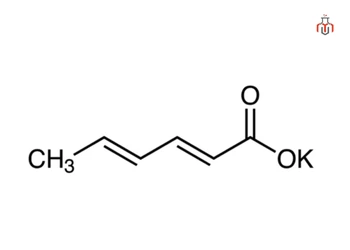
Potassium sorbate is the potassium salt of sorbic acid, produced by neutralizing sorbic acid with potassium hydroxide. It appears as a crystalline powder and is widely used in cosmetics, pharmaceuticals, and personal care products. Potassium sorbate is particularly effective against yeast and molds and is suitable for water-based and low-pH formulations.
Sodium Benzoate
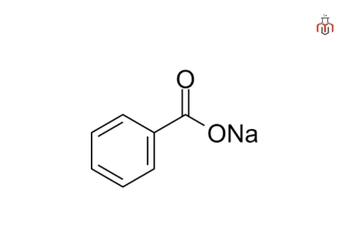
Sodium Benzoate (C₆H₅COONa) is an aromatic carboxylic acid salt. It is a water-soluble preservative suitable for aqueous and water-based formulations and helps to inhibit the growth of bacteria, yeast, and fungi, making it suitable for a broad range of formulations. It is also used in combination with other preservatives or preservative boosters to improve broad-spectrum antimicrobial protection.
Sodium Dehydroacetate
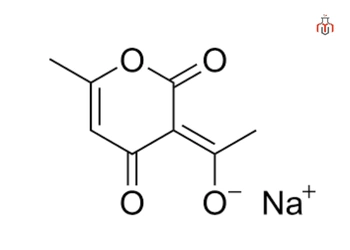
Sodium Dehydroacetate (SDA) is a water-soluble sodium salt of dehydroacetic acid (DHA) widely used in cosmetic and personal care formulations for its high-efficacy antimicrobial and fungicidal properties. It provides effective protection against a broad range of microorganisms, including bacteria, yeasts, and molds, thereby helping to prevent product spoilage and extend shelf life.
Benzyl Alcohol
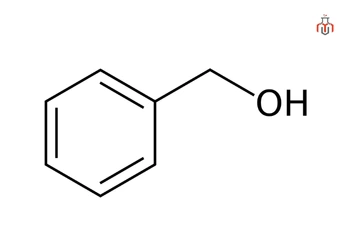
Benzyl alcohol (C₆H₅CH₂OH) is an aromatic alcohol that appears as a colorless liquid with a mild, pleasant aroma. It is widely used in industrial, pharmaceutical, and cosmetic applications. Functioning as both a solvent and a preservative, benzyl alcohol helps improve the solubility of compounds and extends the shelf life of cosmetics and personal care products.
Benzyl alcohol is commonly synthesized from toluene or benzyl chloride, making it a versatile intermediate in organic synthesis and a valuable ingredient in various formulations.
Glyceryl Caprylate
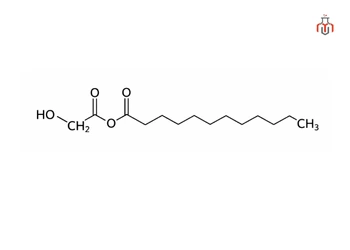
Glyceryl caprylate is a naturally derived monoester of glycerin and caprylic acid (C8 fatty acid) used in cosmetics, personal care, and pharmaceutical formulations due to its multifunctional properties. It helps extend the shelf life of products by inhibiting microbial growth, while also enhancing the texture and feel of formulations by softening and smoothing the skin. Its gentle nature makes it suitable for sensitive skin.
Glyceryl Undecylenate
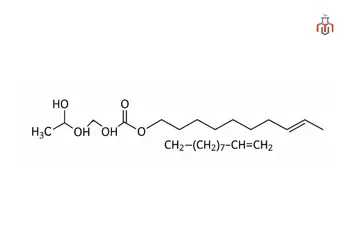
Glyceryl Undecylenate is an ester formed from glycerol (glycerin) and undecylenic acid, a naturally occurring fatty acid. It can be extracted from castor oil (which provides the undecylenic acid) and glycerin derived from rapeseed or other plant oils.
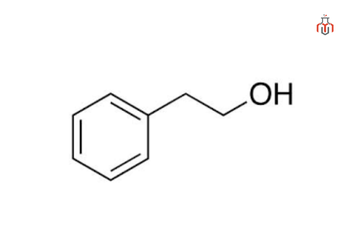
Phenethyl Alcohol
Phenethyl alcohol, also known as 2-phenylethanol (C₆H₅CH₂CH₂OH), is an aromatic alcohol used in the formulation of eye area makeup, makeup products, skin care products, shampoos, perfumes, and colognes. It helps to prevent or retard bacterial growth, and thus protects cosmetics and personal care products from spoilage.
1, 2-Hexanediol
1,2 -Hexanediol is a colorless synthetic preservative that forms a layer on the skin and helps to retain moisture. It promotes the easy absorption of cosmetic products, leaving the skin surface smooth and resilient.

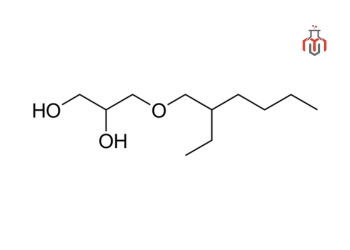
Ethylhexylglycerin
Ethylhexylglycerin is a multifunctional, glycerin-derived compound widely used as a preservative booster, humectant, and emollient. It enhances antimicrobial properties and deodorising efficacy of the product. It is very easily soluble in cosmetics, alcohols, and glycols as well as oils.
For a more detailed understanding of its functional role in skin and hair care products, read: Ethylhexylglycerin in Skin & Hair Care | Uses and Side Effects
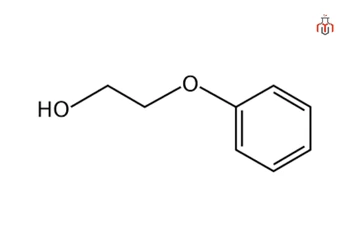
Phenoxyethanol
Phenoxyethanol, also known as 2-phenoxyethanol, is an aromatic glycol ether that has a large spectrum of microbial activity and is effective against various gram-positive and gram-negative bacteria. It is added to rinse-off and leave-on cosmetic products due to its stability and formulation versatility.
Common Preservative Combinations in Cosmetics
Parabens with Phenoxyethanol
Parabens are usually used with phenoxyethanol to give broad-spectrum antimicrobial protection. Methylparaben, ethylparaben and parabens are effective against a wide range of microorganisms.
Sorbic Acid with Potassium Sorbate
Sorbic acid and potassium sorbate are commonly used together to improve preservative impact. Sorbic acid is active against molds and Potassium sorbate acts against yeasts. When combined, they provide protection by helping prevent the growth of a wider range of microorganisms.
Benzyl Alcohol with Dehydroacetic Acid
Benzyl alcohol is a good preservative against bacteria and yeast. It is often combined with dehydroacetic acid to improve its antimicrobial activity. Together, they offer a broader-spectrum protection.
Phenethyl Alcohol with Ethylhexylglycerin
Phenethyl alcohol is an effective preservative that controls the growth of bacteria and mold. The preservative system is more effective when used in combination with ethylhexylglycerin. It also offers skin conditioning properties like a skin conditioner.
Natural Extracts with Phenoxyethanol
Natural extracts are combined with phenoxyethanol in some cosmetic products to increase the product’s protection. In addition to the ability to control microbial growth, natural extract ingredients like rosemary extract or grapefruit seed extract offer antioxidant properties and contribute to the overall stability of the formulation.
Parabens with Ethylhexylglycerin
Ethylhexylglycerin is used as a co-preservative and works in addition to parabens to enhance the overall preservative system.
Sodium Benzoate with Potassium Sorbate
Sodium benzoate and potassium sorbate are widely used together, especially in natural and organic cosmetic formulations. In the case of yeast and mould, this combination is effective and in water-based cosmetic formulations, it gives good preservation.
Preservatives and Regulatory Compliance
FDA Regulations for Cosmetic Preservatives (USA)
In the United States, the Cosmetic Ingredient Review (CIR), led by a panel of medical experts, collaborates with the US Food and Drug Administration (FDA) to provide a review and assessment of the safety of ingredients used in cosmetics. But the FDA does not maintain an approved list of cosmetics preservatives like the EU. Manufacturers are legally responsible for product safety, and preservatives must be safe for their intended use under labelled or customary conditions.
In the U.S., cosmetics and preservatives are regulated under
- Federal Food, Drug, and Cosmetic Act (FD&C Act)
- Fair Packaging and Labelling Act (FPLA)
- 21 CFR parts 700-740 (Cosmetics regulation)
It is the responsibility of the FDA to prohibit the distribution of adulterated or mislabeled cosmetics if they are found to be unsafe and mislabeled.
EU Cosmetic Regulation and Restricted Substances
Unlike the U.S., in the European Union, all cosmetics preservatives are regulated under Regulation (EC) No 1223/2009, and only preservatives listed in Annex V are permitted with mandatory warning statements, Usage restrictions, and INCI name declaration.
Safe Use of Preservatives in Cosmetic Formulations
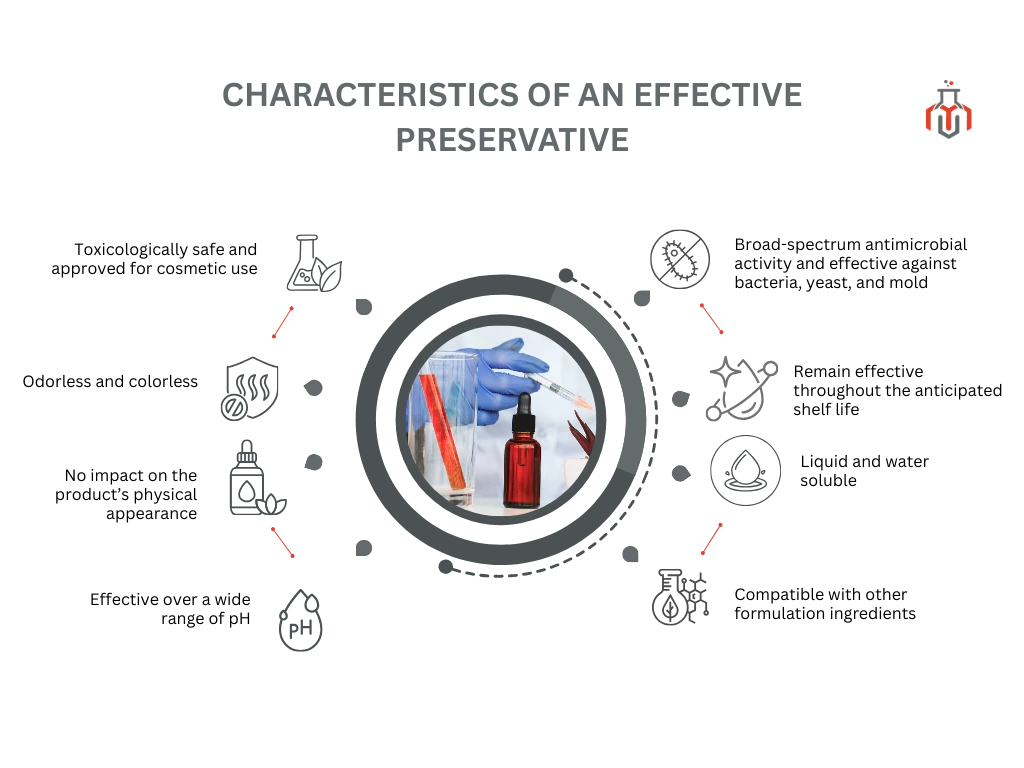
Characteristics of an Effective Preservative
Broad-Spectrum Protection
The perfect preservative system should provide protection against bacteria, yeast, and mold. Formulators can use multiple compatible preservatives to provide broad-spectrum antimicrobial protection, as no preservative is effective against all microorganisms.
Product Type
Formulation type plays a major role in the choice of preservative. The preservation of water-based products is more important, since microbial growth is more prominent in this category of products, such as creams, lotions, shampoos and serums. Anhydrous products (such as oils, balms and powders) have a lower risk of microbial contamination but may still need an antioxidant or other stabilising ingredients to ensure acceptable product quality.
Formulation Compatibility
Preservatives should be compatible with other ingredients in the formulation, such as emulsifiers, surfactants, and other botanical extracts and active ingredients. During formulation development, the preservative performance is also considered in product pH, processing temperature, and storage conditions.
Regulatory Compliance
Preservatives should always be used in the allowed concentration range defined by regulatory authorities, such as the U.S. FDA and the EU Cosmetic Regulation. Compliance with these requirements helps ensure product safety and regulatory acceptance.
Quality and Performance Validation
Product performance is a function of high-quality preservatives from trusted, cGMP-compliant manufacturers. Prior to commercialization, the preservative system chosen should be evaluated to determine the ability to provide effective microbial protection over the product’s storage life using Preservative Efficacy Testing.
Trends in Cosmetic Preservative Regulations
The cosmetic industry is constantly updating its preservative regulations to improve product safety and respond to changing consumer demands. Research shows that regulatory authorities are paying more attention to the use of different preservatives and are implementing stricter restrictions for ingredients that may raise safety issues.
Control parabens: Although parabens are the most commonly used preservatives that inhibit the growth of microorganisms‚ some parabens are more restricted in some countries than others‚ so manufacturers have reformulated products or created paraben-free alternatives when possible․
Restrictions on formaldehyde releasers: Due to growing concerns about potential health risks, many cosmetic manufacturers are replacing formaldehyde-releasing preservatives with safer alternatives. Regulatory agencies in several regions have also introduced restrictions on the use of these ingredients in cosmetic products.
Increase in natural preservatives: Benzoic acid and sorbic acid are becoming popular as natural preservatives. The natural preservatives are derived from natural sources like plants and are considered to be safe and non-irritating.
Restricted Preservatives in Cosmetic Formulations
Some preservatives have negative effects on the skin, may cause irritation, red patches, hives, and even it may lead to skin cancer. These preservatives are often of low quality and low-cost alternatives to advanced preservatives. Certain preservatives are allowed only within safety limits, such as formaldehyde and triclosan.
Commonly Restricted Preservatives
Parabens
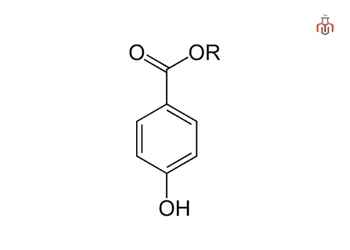
Parabens are alkyl esters of p-hydroxybenzoic acid, widely used in cosmetic formulations. Their antimicrobial activity is primarily attributed to their ability to disrupt microbial cell membranes and inhibit key enzymatic processes essential for nucleic acid synthesis. While some parabens remain permitted, log-chain parabens are restricted due to endocrine disruption concerns.
Isothiazolones
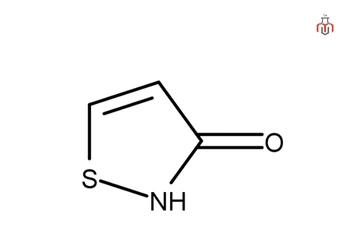
Methylchloroisothiazolinone and methylisothiazolinone are highly effective preservatives but are restricted primarily to rinse-off products (0.0015%) due to their potential to cause skin sensitization.
Phenolic compounds
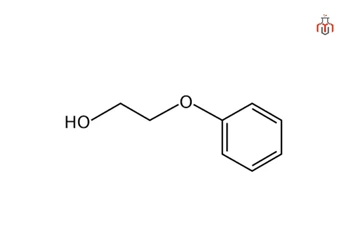
The most common Phenolic preservatives used in cosmetics and personal care are phenoxyethanol and benzyl alcohol. Phenoxyethanol functions as a preservative and a solvent, and it is often combined with other preservatives to provide broad spectrum microbial effect. Benzyl alcohol is a colorless liquid with a mild, pleasant odor and has similar mechanisms of action like phenoxyethanol. It is generally permitted for use at a maximum concentration of up to 1%, according to regulatory guidelines.
Triclosan
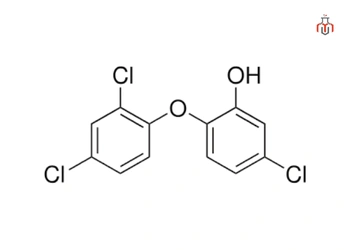
Triclosan is a synthetic, broad-spectrum compound added to soaps and toiletries for its antibacterial and antifungal properties, but in 2016, it was banned by the UDFDA for the sale of consumer antiseptic and wash products due to antimicrobial resistance and environmental impact.
Conclusion
Preservatives are essential ingredients added to cosmetics and personal care formulations to improve product safety, stability, and effectiveness throughout their shelf life. Cosmetic products are highly vulnerable to microbial contamination due to the presence of water, nutrient-rich ingredients, neutral pH, and repeated consumer use. Without preservatives, most cosmetic products get spoiled quickly, similar to perishable food. The controlled use of preservatives prevents spoilage, maintains product quality, and protects consumers from infections, irritation, and other adverse effects.
FAQs
Which ingredient provides product quality and protection, is active against bacteria and enhances the product’s longevity?
Preservatives are the ingredients that provide product quality and protection. They prevent the growth of harmful bacteria, molds, and fungi, and keeps the product safe for use and enhances its shelf life and longevity.
Are preservatives safe for skin?
Preservatives added in cosmetics are generally safe as they are clinically checked by experts during formulation. However, patch tests must be performed as there are possible side effects in skin-sensitive individuals.
Are preservatives good or bad?
Preservatives are good as it helps to maintain the quality of the product and its shelf life. However, it can cause severe side effects on the skin and degrade the product quality upon high concentrations above the limit.
How much preservative to use in cosmetics?
The concentration of preservatives added to cosmetic formulations depends on the type of product, water content, and overall chemical composition of the formulation. In general, preservatives are used within the range of 0.3% to 1.0%, in accordance with applicable regulatory limits.
Why are preservatives added to cosmetics?
Preservatives are added to cosmetic formulations to prevent microbial growth, including bacteria, yeast, and mold, and to maintain the safety, effectiveness, and stability of products during storage and consumer use.
What are the current trends in low-dosage preservatives for safer cosmetic development?
The Current trends in cosmetic formulation are directed towards the low dosage system of preservative systems that use elements with multiple functions along with antimicrobial properties to minimize the need for traditional preservatives and to improve the total performance of the cosmetic formulation. At the same time, the demand for clean beauty and sustainable formulations has led to the use of naturally derived ingredients like essential oils with antimicrobial properties, fermented ingredients and natural antioxidants to help with product stability. These methods can be employed to create safer, more efficient and eco-friendly cosmetic formulations without compromising the high quality of the product and consumer safety.
What are the health impacts of common preservatives in cosmetics?
Most cosmetic preservatives are safe when used within approved regulatory limits. Certain traditional preservatives such as some parabens and formaldehyde-releasing preservatives may cause skin irritation or allergic reactions in sensitive individuals. The scientific questions about the potential chronic effects of exposure to some synthetic preservatives, e.g., whether they affect skin barrier function and endocrine activity, remain. Therefore, cosmetic manufacturers are increasingly exploring safer preservative systems that provide effective microbial protection while minimizing the risk of skin sensitivity and supporting consumer safety.
Can preservatives in cosmetics harm the skin?
The preservatives are added to prevent microbial contamination. They are generally recognized as safe as long as they are used within the regulatory limits. However, some people, especially those with sensitive skin, can have mild reactions to some preservatives such as redness, irritation, itching or contact dermatitis. These can be mild or severe depending on the preservative, its concentration and the sensitivity of the person’s skin. Both natural and synthetic preservatives can cause allergic reactions in sensitive people. If irritation develops after use of a cosmetic product, discontinue use and consult a health care professional.
Are there preservative-free cosmetics?
Preservatives are typically added to anhydrous (water-free) formulations in cosmetics, such as those consisting predominantly of oils, waxes, or other ingredients that do not readily support microbial growth. Most of the cosmetic products are water-based and need an efficient preservative system to prevent microbial growth, including bacteria, yeast, and mold, and to guarantee the safety and stability of the product over its shelf life. Preservative-free formulas can be effective for some products, but they are not suitable for all cosmetics. The safest way to ensure product quality and consumer safety is to choose a product with a well-balanced scientific preservative system.
Which preservatives are commonly used in cosmetics?
Common preservatives used in cosmetic formulations include phenoxyethanol, parabens, benzyl alcohol, sorbic acid, benzoic acid, sodium benzoate, potassium sorbate, caprylyl glycol, ethylhexylglycerin, and dehydroacetic acid. The choice of preservative depends on various factors, which include the product type, pH, water content, desired antimicrobial protection, and regulatory requirements. Many formulations of two or more preservatives are combined to provide broad-spectrum protection against bacteria, yeast, and mold while maintaining product stability and safety throughout its shelf life.
What are the three main types of preservatives?
Based on function, preservatives are categorised into three main types: antimicrobial, such as potassium sorbate and parabens, antioxidants, such as vitamin E (tocopherol), vitamin C (ascorbic acid) and anti-enzymatic preservatives such as EDTA and Sodium Metabisulfite.
Macschem is the leading supplier of Cosmetics Ingredients in the US.
Disclaimer:
The information provided is for general informational purposes only, based on publicly available sources, and does not constitute medical, regulatory, or professional advice. We disclaim any liability arising from its use without appropriate professional consultation.
Resources
Cosmetics Preservation: A Review on Present Strategies
Preservatives in Cosmetics: Regulatory Aspects and Analytical Methods