
Sodium Nitrite is an inorganic nitrite salt with the chemical formula NaNO₂. It occurs as a white to slightly yellow crystalline powder and is highly soluble in water and hygroscopic. Chemically, it is composed of sodium (Na⁺) and nitrite (NO₂⁻) ions and is regarded as an important member of the inorganic nitrite salts. The compound displays notable oxidative and nitrosative reactivity. It can provide nitrite ions helps reactions involving the formation and transformation of nitrogen-containing compounds. This reactivity is particularly valuable for diazotization, nitration and other synthetic transformations involving nitrogen chemistry in laboratory and chemical research.
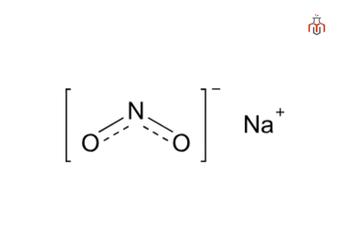
CAS No.: 7632-00-0
Synonyms: Nitrous Acid Sodium Salt, Nitrite de sodium, Erinitrit.
| Physical Properties | |
| Chemical formula | NaNO2 |
| IUPAC Name | sodium nitrite |
| Molecular weight | 68.995 g/mol |
| Solubility | Soluble in water |
| Density | 2.168 g/cm3 |
| Appearance | A pale yellow crystalline powder |
| Storage | Store at room temperature |
| Chemical Properties | |
| Color | White |
| Physical State | Solid |
| Melting Point | 271 °C |
| Boiling Point | 321 °C |
| Vapor Pressure | <0.0001 hPa at 25 °C |
| Ph | 9 (20 °C, 100 g/L in H2O) |
| Odor | Odorless |
| Pictograms : | 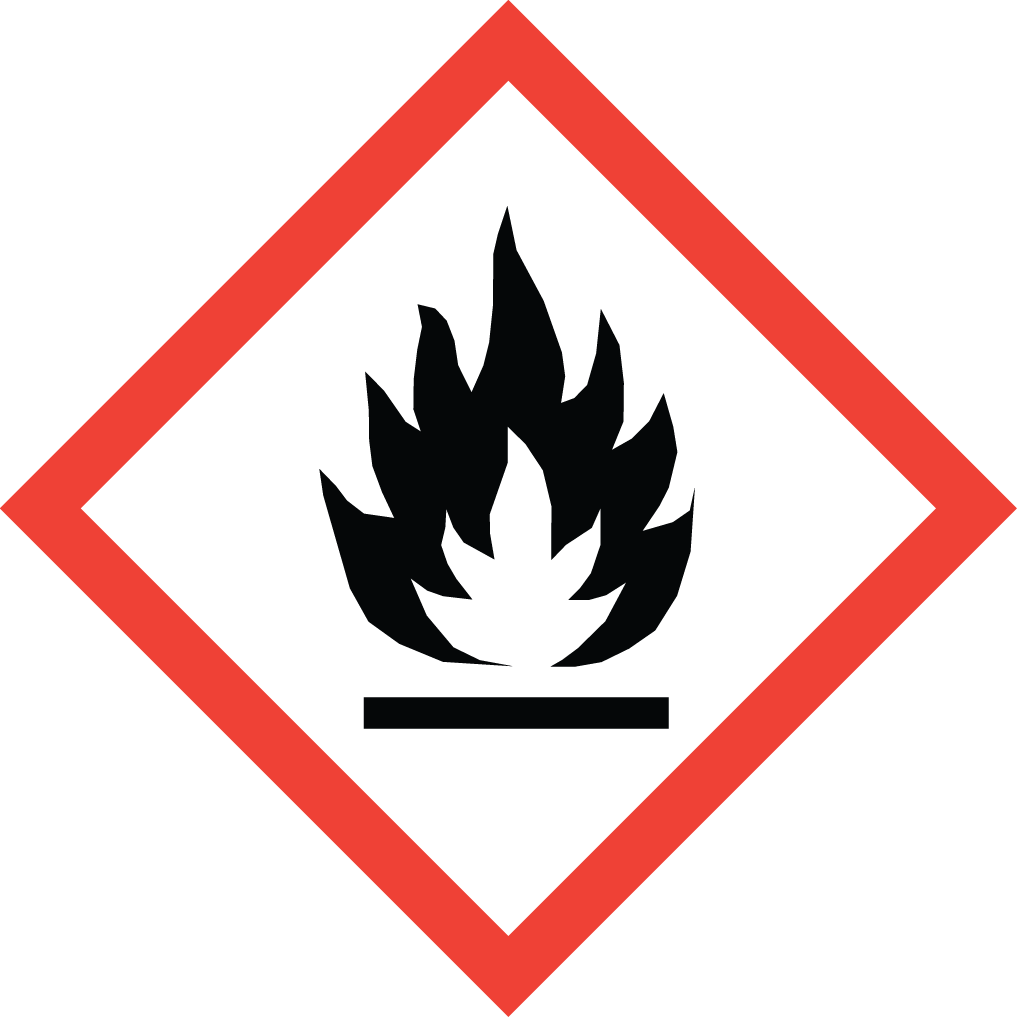  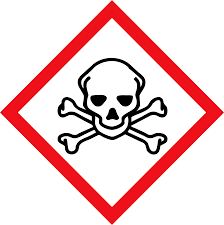 |
| Hazard Statements : | H272: May intensify fire, oxidiser. H301: Toxic if swallowed. H319: Causes serious eye irritation. H400: Very toxic to aquatic life. |
| Precautionary Statements: | P210: Keep away from heat, hot surfaces, sparks, open flames and other ignition sources. No smoking. P220: Keep/store away from clothing/combustible materials. P264: Wash thoroughly after handling. P273: Avoid release to the environment. P301+P310: IF SWALLOWED: Immediately call a POISON CENTER/doctor. P305+P351+P338: IF IN EYES: Rinse cautiously with water for several minutes. Remove contact lenses, if present and easy to do. Continue rinsing. |
..
Sodium Nitrite is an inorganic nitrite salt with the chemical formula NaNO₂. It occurs as a white to slightly yellow crystalline powder and is highly soluble in water and hygroscopic. Chemically, it is composed of sodium (Na⁺) and nitrite (NO₂⁻) ions and is regarded as an important member of the inorganic nitrite salts. The compound displays notable oxidative and nitrosative reactivity. It can provide nitrite ions helps reactions involving the formation and transformation of nitrogen-containing compounds. This reactivity is particularly valuable for diazotization, nitration and other synthetic transformations involving nitrogen chemistry in laboratory and chemical research.
CAS No.: 7632-00-0
Synonyms: Nitrous Acid Sodium Salt, Nitrite de sodium, Erinitrit.
| Physical Properties | |
| Chemical formula | NaNO2 |
| IUPAC Name | sodium nitrite |
| Molecular weight | 68.995 g/mol |
| Solubility | Soluble in water |
| Density | 2.168 g/cm3 |
| Appearance | A pale yellow crystalline powder |
| Storage | Store at room temperature |
| Chemical Properties | |
| Color | White |
| Physical State | Solid |
| Melting Point | 271 °C |
| Boiling Point | 321 °C |
| Vapor Pressure | <0.0001 hPa at 25 °C |
| Ph | 9 (20 °C, 100 g/L in H2O) |
| Odor | Odorless |
| Pictograms : | |
| Hazard Statements : | H272: May intensify fire, oxidiser. H301: Toxic if swallowed. H319: Causes serious eye irritation. H400: Very toxic to aquatic life. |
| Precautionary Statements: | P210: Keep away from heat, hot surfaces, sparks, open flames and other ignition sources. No smoking. P220: Keep/store away from clothing/combustible materials. P264: Wash thoroughly after handling. P273: Avoid release to the environment. P301+P310: IF SWALLOWED: Immediately call a POISON CENTER/doctor. P305+P351+P338: IF IN EYES: Rinse cautiously with water for several minutes. Remove contact lenses, if present and easy to do. Continue rinsing. |
..
