

Sodium Fluoride is an inorganic compound with the chemical formula NaF, composed of sodium and fluoride ions. Commonly available as a colorless crystalline solid or white powder that easily soluble in water to produce a clear and odorless solution. It is less hygroscopic than potassium fluoride and therefore easier to handle and store under standard conditions. It is a stable metal fluoride salt that serves as a readily available source of fluoride ions and has good chemical stability in a wide range of chemical environments. Sodium fluoride is an important compound in dental, industrial, laboratory and chemical applications because of its fluoride content and physicochemical properties.
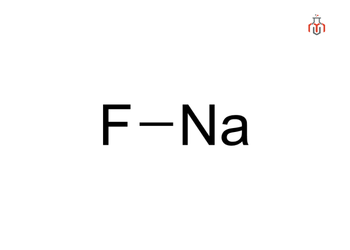
CAS No.: 7681-49-4
Synonyms: Sodium fluoride (NaF), Natrium fluoride, Florocid.
| Physical Properties | |
| Chemical formula | NaF |
| IUPAC Name | sodium fluoride |
| Molecular weight | 41.98 g/mol |
| Solubility | Soluble in water and insoluble in alcohol |
| Density | 2.558 g/cm3 |
| Appearance | White powder or colorless crystals |
| Storage | Store at room temperature |
| Chemical Properties | |
| Color | White |
| Physical State | Solid |
| Melting Point | 993 °C |
| Boiling Point | 1,704 °C |
| Vapor Pressure | 1.45 mmHg ( 0 °C) |
| Odor | Odorless |
| Pictograms : | 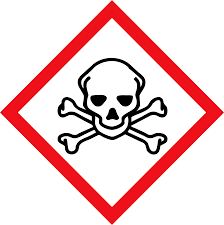 |
| Hazard Statements : | H301: Toxic if swallowed. H315: Causes skin irritation. H319: Causes serious eye irritation. |
| Precautionary Statements: | P264: Wash skin thoroughly after handling. P280: Wear protective gloves/ eye protection/ face protection. P301 + P310: IF SWALLOWED: Immediately call a POISON CENTER/ doctor. P302 + P352: IF ON SKIN: Wash with plenty of water. P305 + P351 + P338: IF IN EYES: Rinse cautiously with water for several minutes. Remove contact lenses, if present and easy to do. Continue rinsing. P332 + P313: If skin irritation occurs: Get medical advice/ attention |
Sodium Fluoride is an inorganic compound with the chemical formula NaF, composed of sodium and fluoride ions. Commonly available as a colorless crystalline solid or white powder that easily soluble in water to produce a clear and odorless solution. It is less hygroscopic than potassium fluoride and therefore easier to handle and store under standard conditions. It is a stable metal fluoride salt that serves as a readily available source of fluoride ions and has good chemical stability in a wide range of chemical environments. Sodium fluoride is an important compound in dental, industrial, laboratory and chemical applications because of its fluoride content and physicochemical properties.
CAS No.: 7681-49-4
Synonyms: Sodium fluoride (NaF), Natrium fluoride, Florocid.
| Physical Properties | |
| Chemical formula | NaF |
| IUPAC Name | sodium fluoride |
| Molecular weight | 41.98 g/mol |
| Solubility | Soluble in water and insoluble in alcohol |
| Density | 2.558 g/cm3 |
| Appearance | White powder or colorless crystals |
| Storage | Store at room temperature |
| Chemical Properties | |
| Color | White |
| Physical State | Solid |
| Melting Point | 993 °C |
| Boiling Point | 1,704 °C |
| Vapor Pressure | 1.45 mmHg ( 0 °C) |
| Odor | Odorless |
| Pictograms : | |
| Hazard Statements : | H301: Toxic if swallowed. H315: Causes skin irritation. H319: Causes serious eye irritation. |
| Precautionary Statements: | P264: Wash skin thoroughly after handling. P280: Wear protective gloves/ eye protection/ face protection. P301 + P310: IF SWALLOWED: Immediately call a POISON CENTER/ doctor. P302 + P352: IF ON SKIN: Wash with plenty of water. P305 + P351 + P338: IF IN EYES: Rinse cautiously with water for several minutes. Remove contact lenses, if present and easy to do. Continue rinsing. P332 + P313: If skin irritation occurs: Get medical advice/ attention |
