

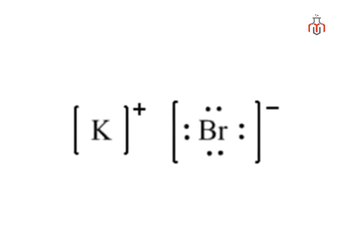
Potassium bromide (KBr) is an inorganic salt composed of potassium and bromide ions. Under standard conditions, it occurs as colorless crystals or a white crystalline powder and is odorless. It dissolves readily in water to produce a neutral aqueous solution but is insoluble in solvents such as acetonitrile. Potassium bromide is an ionic compound formed through electrostatic attraction between potassium and bromide ions. It has a relatively high melting point of about 734°C and provides a convenient source of bromide ions in chemical systems. Historically, it was known for its sedative and anticonvulsant properties and is now particularly recognized for its role in veterinary medicine.
CAS No.: 7758-02-3
Synonyms: Hydrobromic acid potassium salt, bromide salt of potassium, tripotassium tribromide.
| Physical Properties | |
| Chemical formula | KBr |
| IUPAC Name | potassium bromide |
| Molecular weight | 119.00 g/mol |
| Solubility | Soluble in water |
| Density | 2.74 g/cm3 |
| Appearance | white solid |
| Storage | Store at room temperature |
| Chemical Properties | |
| Color | White |
| Physical State | Solid |
| Melting Point | 734 °C |
| Boiling Point | 1435 °C |
| Vapor Pressure | <0.01 mmHg ( 20 °C), 1 mmHg ( 795 °C) |
| Ph | 5-6 (25 °C, 119 g/L) |
| Odor | Odorless |
| Pictograms : |  |
| Hazard Statements : | H319: Causes serious eye irritation. |
| Precautionary Statements: | P264: Wash hands, forearms and face thoroughly after handling. P280: Wear protective gloves/protective clothing/eye protection/face protection/hearing protection. P305+P351+P338: IF IN EYES: Rinse cautiously with water for several minutes. Remove contact lenses, if present and easy to do. Continue rinsing. P337+P313: If eye irritation persists: Get medical advice/attention |
Potassium bromide (KBr) is an inorganic salt composed of potassium and bromide ions. Under standard conditions, it occurs as colorless crystals or a white crystalline powder and is odorless. It dissolves readily in water to produce a neutral aqueous solution but is insoluble in solvents such as acetonitrile. Potassium bromide is an ionic compound formed through electrostatic attraction between potassium and bromide ions. It has a relatively high melting point of about 734°C and provides a convenient source of bromide ions in chemical systems. Historically, it was known for its sedative and anticonvulsant properties and is now particularly recognized for its role in veterinary medicine.
CAS No.: 7758-02-3
Synonyms: Hydrobromic acid potassium salt, bromide salt of potassium, tripotassium tribromide.
| Physical Properties | |
| Chemical formula | KBr |
| IUPAC Name | potassium bromide |
| Molecular weight | 119.00 g/mol |
| Solubility | Soluble in water |
| Density | 2.74 g/cm3 |
| Appearance | white solid |
| Storage | Store at room temperature |
| Chemical Properties | |
| Color | White |
| Physical State | Solid |
| Melting Point | 734 °C |
| Boiling Point | 1435 °C |
| Vapor Pressure | <0.01 mmHg ( 20 °C), 1 mmHg ( 795 °C) |
| Ph | 5-6 (25 °C, 119 g/L) |
| Odor | Odorless |
| Pictograms : | |
| Hazard Statements : | H319: Causes serious eye irritation. |
| Precautionary Statements: | P264: Wash hands, forearms and face thoroughly after handling. P280: Wear protective gloves/protective clothing/eye protection/face protection/hearing protection. P305+P351+P338: IF IN EYES: Rinse cautiously with water for several minutes. Remove contact lenses, if present and easy to do. Continue rinsing. P337+P313: If eye irritation persists: Get medical advice/attention |
