

Tocopheryl Acetate, also known as tocopherol acetate or vitamin E acetate, is a synthetic derivative of vitamin E widely used in cosmetic products and dietary supplements due to its enhanced stability.
Alpha-tocopheryl acetate (ATA) is the most stable form of vitamin E used in humans and is commonly included in products designed to provide antioxidant protection against free radicals, including those generated by UV radiation.
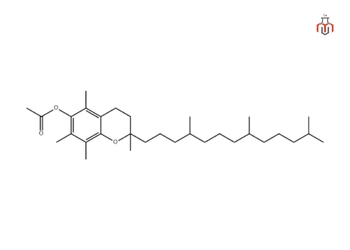
CAS No.: 7695-91-2
Synonyms: alpha-Tocopherol acetate, Tocopherol acetate, Vitamin Ealpha acetate,
| Properties | |
| Chemical formula | C31H52O3 |
| IUPAC name | [(2R)-2,5,7,8-tetramethyl-2-[(4R,8R)-4,8,12-trimethyltridecyl] -3,4-dihydrochromen-6-yl] acetate |
| Molecular weight | 472.7 g/mol |
| Solubility | Insoluble in water |
| Odor | Odorless |
| Color | off White |
| State | Crystal |
| Boiling point | >200 °C (decomposes) |
Used to treat vitamin E deficiency and ataxia
Helps protect the skin from free-radical damage due to its antioxidant properties
Supports wound healing and helps in the recovery of minor burns and skin damage
Helps prevent moisture loss, keeps the skin hydrated, and strengthens the natural lipid barrier
Aids in skin nourishment and repair of damaged skin
May help reduce redness and soothe inflamed or irritated skin
Contributes to product stability and extended shelf life by preventing oxidation
| Pictograms : | N.A |
| Hazard Statements : | N.A |
| Precautionary statements : | N.A |
Tocopheryl Acetate, also known as tocopherol acetate or vitamin E acetate, is a synthetic derivative of vitamin E widely used in cosmetic products and dietary supplements due to its enhanced stability.
Alpha-tocopheryl acetate (ATA) is the most stable form of vitamin E used in humans and is commonly included in products designed to provide antioxidant protection against free radicals, including those generated by UV radiation.
CAS No.: 7695-91-2
Synonyms: alpha-Tocopherol acetate, Tocopherol acetate, Vitamin Ealpha acetate,
| Properties | |
| Chemical formula | C31H52O3 |
| IUPAC name | [(2R)-2,5,7,8-tetramethyl-2-[(4R,8R)-4,8,12-trimethyltridecyl] -3,4-dihydrochromen-6-yl] acetate |
| Molecular weight | 472.7 g/mol |
| Solubility | Insoluble in water |
| Odor | Odorless |
| Color | off White |
| State | Crystal |
| Boiling point | >200 °C (decomposes) |
Used to treat vitamin E deficiency and ataxia
Helps protect the skin from free-radical damage due to its antioxidant properties
Supports wound healing and helps in the recovery of minor burns and skin damage
Helps prevent moisture loss, keeps the skin hydrated, and strengthens the natural lipid barrier
Aids in skin nourishment and repair of damaged skin
May help reduce redness and soothe inflamed or irritated skin
Contributes to product stability and extended shelf life by preventing oxidation
| Pictograms : | N.A |
| Hazard Statements : | N.A |
| Precautionary statements : | N.A |
