
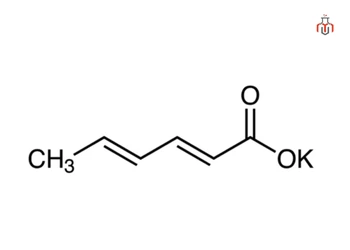
Potassium sorbate (K-sorbate) is a potassium salt of sorbic acid, which is considered as an effective preservative in cosmetic and personal care products. It inhibits the growth of microorganisms, mould, bacteria and yeast and is considered safe for most people when used in appropriate concentrations. Potassium sorbate can be found in skincare, makeup, haircare and in food and beverages.
CAS No.: 24634-61-5
Synonyms: Sorbic acid potassium salt, potassium 2,4-hexadioate, potassium (E,E)-hexa 2,4- dieonate, potassium (E,E)-sorbate, potassium salt of (E,E)-sorbic acid
| Physical Properties | |
| Chemical formula | C6H7O2K |
| IUPAC name | Potassium 2,4-hexadienoate |
| Molecular weight | 150.22 g/mol |
| Solubility | Freely Soluble in water, Soluble in ethanol |
| Odor | Characteristic odor |
| Density | 1.363 g/cm3 |
| Chemical Properties | |
| Color | White |
| State | White powder or granules |
| Melting point | >270 °C (decomposes) |
| LogP | -1.72 at 20℃ |
Potassium Sorbate is generally considered safe, but some people may experience side effects such as:
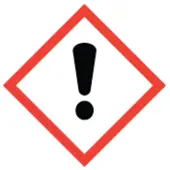
| Pictograms : |
|
| Hazard Statements : | H319 Causes serious eye irritation |
| Precautionary statements : | P280 Wear protective gloves/eye protection P305+P351+P338 IF IN EYES: Rinse cautiously with water for several minutes. Remove contact |
Potassium sorbate (K-sorbate) is a potassium salt of sorbic acid, which is considered as an effective preservative in cosmetic and personal care products. It inhibits the growth of microorganisms, mould, bacteria and yeast and is considered safe for most people when used in appropriate concentrations. Potassium sorbate can be found in skincare, makeup, haircare and in food and beverages.
CAS No.: 24634-61-5
Synonyms: Sorbic acid potassium salt, potassium 2,4-hexadioate, potassium (E,E)-hexa 2,4- dieonate, potassium (E,E)-sorbate, potassium salt of (E,E)-sorbic acid
| Physical Properties | |
| Chemical formula | C6H7O2K |
| IUPAC name | Potassium 2,4-hexadienoate |
| Molecular weight | 150.22 g/mol |
| Solubility | Freely Soluble in water, Soluble in ethanol |
| Odor | Characteristic odor |
| Density | 1.363 g/cm3 |
| Chemical Properties | |
| Color | White |
| State | White powder or granules |
| Melting point | >270 °C (decomposes) |
| LogP | -1.72 at 20℃ |
Potassium Sorbate is generally considered safe, but some people may experience side effects such as:
| Pictograms : |
|
| Hazard Statements : | H319 Causes serious eye irritation |
| Precautionary statements : | P280 Wear protective gloves/eye protection P305+P351+P338 IF IN EYES: Rinse cautiously with water for several minutes. Remove contact |