
Glyceryl Caprylate is a monoester of glycerol and caprylic acid and is a versatile, multifunctional ingredient used primarily as a preservative booster and antimicrobial agent in cosmetic and personal care formulations. It helps extend product shelf life and is effective in vitro against fungi and certain bacteria, though it is not effective against viruses.
The name caprylic acid is derived from the Latin word capra, meaning goat, reflecting its historical association with goat milk. Glyceryl Caprylate is an excellent multifunctional raw material for cosmetics, as it improves product texture, assists in blending oil- and water-based ingredients, helps retain skin moisture, and leaves the skin feeling soft and smooth.
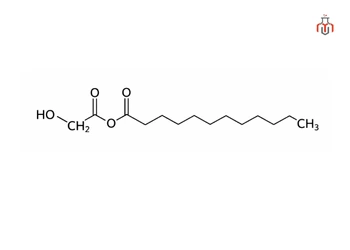
CAS No.: 26402-26-6
Synonyms: Glyceryl 2-caprylate, beta-Monocaprylin, 2-monocapryloylglycerol, Octanoic acid 2-monoglyceride
| Properties | |
| Chemical formula | C11H22O4 |
| IUPAC name | 2,3-dihydroxypropyl octanoate |
| Molecular weight | 218.29 g/mol |
| Solubility | slightly in water, Soluble in oil, fats and mineral oil |
| Odor | Characteristic |
| Color | White |
| Melting Point | 30 °C |
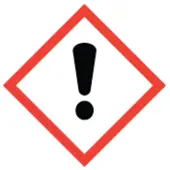
| Pictograms : |
|
| Hazard Statements : | H319 – Causes eye irritation |
| Precautionary statements : | P264 – Wash thoroughly after handling P305 + P351 + P338 + P337 + P313 – If eye irritation persists: Get medical advice/attention |
Glyceryl Caprylate is a monoester of glycerol and caprylic acid and is a versatile, multifunctional ingredient used primarily as a preservative booster and antimicrobial agent in cosmetic and personal care formulations. It helps extend product shelf life and is effective in vitro against fungi and certain bacteria, though it is not effective against viruses.
The name caprylic acid is derived from the Latin word capra, meaning goat, reflecting its historical association with goat milk. Glyceryl Caprylate is an excellent multifunctional raw material for cosmetics, as it improves product texture, assists in blending oil- and water-based ingredients, helps retain skin moisture, and leaves the skin feeling soft and smooth.
CAS No.: 26402-26-6
Synonyms: Glyceryl 2-caprylate, beta-Monocaprylin, 2-monocapryloylglycerol, Octanoic acid 2-monoglyceride
| Properties | |
| Chemical formula | C11H22O4 |
| IUPAC name | 2,3-dihydroxypropyl octanoate |
| Molecular weight | 218.29 g/mol |
| Solubility | slightly in water, Soluble in oil, fats and mineral oil |
| Odor | Characteristic |
| Color | White |
| Melting Point | 30 °C |
| Pictograms : |
|
| Hazard Statements : | H319 – Causes eye irritation |
| Precautionary statements : | P264 – Wash thoroughly after handling P305 + P351 + P338 + P337 + P313 – If eye irritation persists: Get medical advice/attention |