
What is Capryloyl Glycine?
Capryloyl Glycine, a synthetic amino acid derivative synthesised from the amino acid glycine and caprylic acid. It is a versatile ingredient and important component in dermal structural proteins, which is widely used in skin-care products as it possesses anti-bacterial properties, regulates sebum production. In haircare products, it helps in cleansing the scalp and promotes balanced hair growth. It is slightly yellowish in colour.
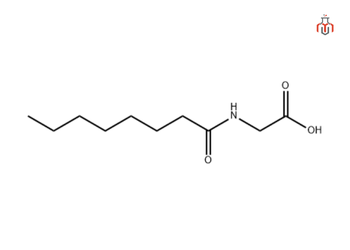
CAS No.: 14246-53-8
Synonyms: N-octanoylglycine, caprylylglycine, N-(1-oxooctyl)glycine, and 2-octanoylaminoacetic acid
Properties of Capryloyl Glycine
| Physical Properties | |
| Chemical formula | C10H19NO3 |
| IUPAC name | 2-(octanoylamino)acetic acid |
| Molecular weight | 201.26 g/mol |
| Solubility | DMSO (Slightly), Methanol (Slightly) |
| Odor | Odorless |
| Flash point | 130.8°C |
| Chemical Properties | |
| Color | White to Off-White |
| State | Solid |
| Melting point | 102-103 °C |
| LogP | 2.052 at 22℃ |
Uses of Capryloyl Glycine
- Anti-bacterial – It shows activity against broad-spectrum bacteria such as Staphylococcus aureus and Propionibacterium acnes.
- Haircare – It is used in scalp treatment and shampoos, which help in removing excess oil, cleansing the scalp and promoting a refreshed and balanced environment.
- Skincare – It helps in maintaining the moisture balance and prevents excess oiliness without making the skin dry. It also helps in reducing fine lines and purifying acne-prone and oily skin by controlling excessive sebum secretion.
- Cleansing agent and surfactant -It acts as a gentle surfactant, as it helps in cleaning hair and skin by reducing the surface tension.
Side Effects of Capryloyl Glycine
- Allergic reactions
- Mild skin irritation
- May cause gastrointestinal discomfort
| Pictograms : |
|
| Hazard Statements : | H318 Causes serious eye damage |
| Precautionary statements : | P280 Wear protective gloves/protective clothing/eye protection/face protection. P308 + P313 – IF exposed or concerned: Get medical advice/attention. |

What is Capryloyl Glycine?
Capryloyl Glycine, a synthetic amino acid derivative synthesised from the amino acid glycine and caprylic acid. It is a versatile ingredient and important component in dermal structural proteins, which is widely used in skin-care products as it possesses anti-bacterial properties, regulates sebum production. In haircare products, it helps in cleansing the scalp and promotes balanced hair growth. It is slightly yellowish in colour.
CAS No.: 14246-53-8
Synonyms: N-octanoylglycine, caprylylglycine, N-(1-oxooctyl)glycine, and 2-octanoylaminoacetic acid
Properties of Capryloyl Glycine
| Physical Properties | |
| Chemical formula | C10H19NO3 |
| IUPAC name | 2-(octanoylamino)acetic acid |
| Molecular weight | 201.26 g/mol |
| Solubility | DMSO (Slightly), Methanol (Slightly) |
| Odor | Odorless |
| Flash point | 130.8°C |
| Chemical Properties | |
| Color | White to Off-White |
| State | Solid |
| Melting point | 102-103 °C |
| LogP | 2.052 at 22℃ |
Uses of Capryloyl Glycine
- Anti-bacterial – It shows activity against broad-spectrum bacteria such as Staphylococcus aureus and Propionibacterium acnes.
- Haircare – It is used in scalp treatment and shampoos, which help in removing excess oil, cleansing the scalp and promoting a refreshed and balanced environment.
- Skincare – It helps in maintaining the moisture balance and prevents excess oiliness without making the skin dry. It also helps in reducing fine lines and purifying acne-prone and oily skin by controlling excessive sebum secretion.
- Cleansing agent and surfactant -It acts as a gentle surfactant, as it helps in cleaning hair and skin by reducing the surface tension.
Side Effects of Capryloyl Glycine
- Allergic reactions
- Mild skin irritation
- May cause gastrointestinal discomfort
| Pictograms : |
|
| Hazard Statements : | H318 Causes serious eye damage |
| Precautionary statements : | P280 Wear protective gloves/protective clothing/eye protection/face protection. P308 + P313 – IF exposed or concerned: Get medical advice/attention. |
