

Butylene Glycol (1,3 – butanediol) is a form of organic alcohol, which is derived from distilled petroleum, sugarcane and corn. It is water-soluble, viscous and colorless liquid, used in a broad range of haircare and skincare products. Butylene glycol also acts as a solvent which helps in dissolving the active ingredients that can become clumsy and gritty.
It usually does not irritate and makes the skin dry and is usually considered as safe to use as a topical skincare ingredient.
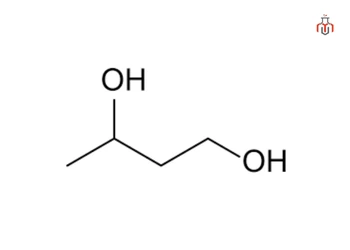
CAS No.: 107-88-0
Synonyms: 1,3-butanediol, Butane-1,3-diol, 1,3-Butylene glycol, Butylene glycol,1,3-Dihydroxybutane, Methyltrimethylene glycol, 1,3 Butylene glycol, 1,3-Butandiol, beta-Butylene glycol
| Physical Properties | |
| Chemical formula | C4H10O2 |
| IUPAC name | Butane-1,3-diol |
| Molecular weight | 90.12 g/mol |
| Solubility | Miscible with water |
| Odor | Slight odor |
| Flash point | 121 °C |
| pH | 5.5 – 7 |
| Chemical Properties | |
| Color | Colorless |
| State | Liquid |
| Melting point | < -50 °C |
| Vapour density | 0.06 mm Hg (at 20 °C) |
| Pictograms : | Not Available |
| Hazard Statements : | Not Available |
| Precautionary statements : | P264: Wash thoroughly after handling. P420: Store away from incompatible materials. P501: Dispose of contents/container in accordance with local and federal regulations |
Butylene Glycol (1,3 – butanediol) is a form of organic alcohol, which is derived from distilled petroleum, sugarcane and corn. It is water-soluble, viscous and colorless liquid, used in a broad range of haircare and skincare products. Butylene glycol also acts as a solvent which helps in dissolving the active ingredients that can become clumsy and gritty.
It usually does not irritate and makes the skin dry and is usually considered as safe to use as a topical skincare ingredient.
CAS No.: 107-88-0
Synonyms: 1,3-butanediol, Butane-1,3-diol, 1,3-Butylene glycol, Butylene glycol,1,3-Dihydroxybutane, Methyltrimethylene glycol, 1,3 Butylene glycol, 1,3-Butandiol, beta-Butylene glycol
| Physical Properties | |
| Chemical formula | C4H10O2 |
| IUPAC name | Butane-1,3-diol |
| Molecular weight | 90.12 g/mol |
| Solubility | Miscible with water |
| Odor | Slight odor |
| Flash point | 121 °C |
| pH | 5.5 – 7 |
| Chemical Properties | |
| Color | Colorless |
| State | Liquid |
| Melting point | < -50 °C |
| Vapour density | 0.06 mm Hg (at 20 °C) |
| Pictograms : | Not Available |
| Hazard Statements : | Not Available |
| Precautionary statements : | P264: Wash thoroughly after handling. P420: Store away from incompatible materials. P501: Dispose of contents/container in accordance with local and federal regulations |
