

Orange G is a synthetic acid azo dye widely used as a biological stain in histology, cytology, and analytical applications. It is a small molecular weight dye known for its strong affinity toward proteinaceous and keratinized structures, making it an essential component in multicolor staining techniques such as the Papanicolaou (Pap) stain.
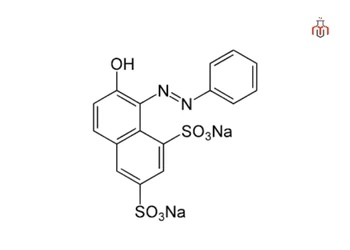
CAS No.: 1936-15-8
Synonyms: Acid Orange 10; Wool Orange 2G
| Physical Properties | |
| Chemical formula | C16H10N2Na2O7S2 |
| IUPAC Name | Disodium 4-[(2-hydroxy-1-naphthyl)diazenyl] benzene-1,3-disulfonate |
| Molecular Mass | 452.38 g/mol |
| Solubility | Highly soluble in water, slightly soluble in alcohol |
| Chemical Properties | |
| Color | Yellowish Red |
| State | Solid Powder |
| Odor | Slight |
| Melting point | 141 °C |
| pH | 9 |
| Pictograms : | 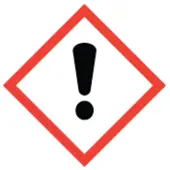 |
| Hazard Statements : | H302 Harmful if swallowed H315 Causes skin irritation H319 Causes serious eye irritation H335 May cause respiratory irritation |
| Precautionary statements : | P261 Avoid breathing dust/fume/gas/mist/vapours/spray. P264 Wash hands thoroughly after handling P270 Do not eat, drink or smoke when using this product. P271 Use only outdoors or in a well-ventilated area. P280 Wear protective gloves/protective clothing/eye protection/face protection. P302+P352 IF ON SKIN: Wash with plenty of soap and water. P304+P340 IF INHALED: Remove victim to fresh air and keep at rest in a position comfortable for breathing. P330 Rinse mouth. P362+P364 Take off contaminated clothing and wash it before reuse. |
Orange G is a synthetic acid azo dye widely used as a biological stain in histology, cytology, and analytical applications. It is a small molecular weight dye known for its strong affinity toward proteinaceous and keratinized structures, making it an essential component in multicolor staining techniques such as the Papanicolaou (Pap) stain.
CAS No.: 1936-15-8
Synonyms: Acid Orange 10; Wool Orange 2G
| Physical Properties | |
| Chemical formula | C16H10N2Na2O7S2 |
| IUPAC Name | Disodium 4-[(2-hydroxy-1-naphthyl)diazenyl] benzene-1,3-disulfonate |
| Molecular Mass | 452.38 g/mol |
| Solubility | Highly soluble in water, slightly soluble in alcohol |
| Chemical Properties | |
| Color | Yellowish Red |
| State | Solid Powder |
| Odor | Slight |
| Melting point | 141 °C |
| pH | 9 |
| Pictograms : | |
| Hazard Statements : | H302 Harmful if swallowed H315 Causes skin irritation H319 Causes serious eye irritation H335 May cause respiratory irritation |
| Precautionary statements : | P261 Avoid breathing dust/fume/gas/mist/vapours/spray. P264 Wash hands thoroughly after handling P270 Do not eat, drink or smoke when using this product. P271 Use only outdoors or in a well-ventilated area. P280 Wear protective gloves/protective clothing/eye protection/face protection. P302+P352 IF ON SKIN: Wash with plenty of soap and water. P304+P340 IF INHALED: Remove victim to fresh air and keep at rest in a position comfortable for breathing. P330 Rinse mouth. P362+P364 Take off contaminated clothing and wash it before reuse. |
