

Methylene Green is a heterocyclic aromatic chemical compound, closely related to Methylene Blue, and is used extensively in biochemical and analytical research. It is known for its ability to interact with biological molecules, making it useful for the observation of nucleic acids and proteins.
As a cationic dye, Methylene Green associates with negatively charged regions of DNA and RNA, making it easier to visualize and analyze the genetic material. Besides its staining properties, it has also gained research interest as a visible light-responsive photocatalyst for organic synthesis. Its unique color and molecular interaction properties make it an important compound for biological and chemical research.
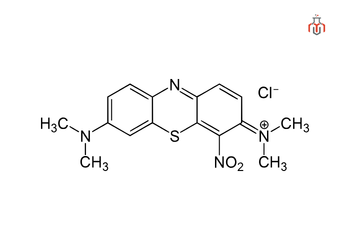
Cas No.: 6722-15-2
Synonyms: BASIC GREEN, Basic Green 5.
| Physical Properties | |
| Chemical formula | C16H17CIN4O2S |
| IUPAC Name | [7-(dimethylamino)-4-nitrophenothiazin-3-ylidene]-dimethylazanium chloride |
| Molecular weight | 364.9 g/mol |
| Solubility | Soluble in water |
| Form | Powder |
| Storage | Store at Room Temperature (Recommended in a cool and dark place, <15°C) |
| Chemical Properties | |
| Color | Dark brown, black |
| Physical State | Solid at 20 °C |
| λmax | 632 to 642 nm |
| LogP | 1.29800 |
| Pictograms : | 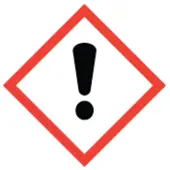  |
| Hazard Statements : | H315: Causes skin irritation. H302: Harmful if swallowed. H332: Harmful if inhaled. H319: Causes serious eye irritation. H335: May cause respiratory irritation. |
| Precautionary statements : | P260: Do not breathe dust/fume/gas/mist/vapors/spray. P264: Wash thoroughly after handling. P270: Do not eat, drink or smoke when using this product. P271: Use only outdoors or in a well-ventilated area. P280: Wear protective gloves/protective clothing/eye protection/face protection. |
Methylene Green is a heterocyclic aromatic chemical compound, closely related to Methylene Blue, and is used extensively in biochemical and analytical research. It is known for its ability to interact with biological molecules, making it useful for the observation of nucleic acids and proteins.
As a cationic dye, Methylene Green associates with negatively charged regions of DNA and RNA, making it easier to visualize and analyze the genetic material. Besides its staining properties, it has also gained research interest as a visible light-responsive photocatalyst for organic synthesis. Its unique color and molecular interaction properties make it an important compound for biological and chemical research.
Cas No.: 6722-15-2
Synonyms: BASIC GREEN, Basic Green 5.
| Physical Properties | |
| Chemical formula | C16H17CIN4O2S |
| IUPAC Name | [7-(dimethylamino)-4-nitrophenothiazin-3-ylidene]-dimethylazanium chloride |
| Molecular weight | 364.9 g/mol |
| Solubility | Soluble in water |
| Form | Powder |
| Storage | Store at Room Temperature (Recommended in a cool and dark place, <15°C) |
| Chemical Properties | |
| Color | Dark brown, black |
| Physical State | Solid at 20 °C |
| λmax | 632 to 642 nm |
| LogP | 1.29800 |
| Pictograms : | |
| Hazard Statements : | H315: Causes skin irritation. H302: Harmful if swallowed. H332: Harmful if inhaled. H319: Causes serious eye irritation. H335: May cause respiratory irritation. |
| Precautionary statements : | P260: Do not breathe dust/fume/gas/mist/vapors/spray. P264: Wash thoroughly after handling. P270: Do not eat, drink or smoke when using this product. P271: Use only outdoors or in a well-ventilated area. P280: Wear protective gloves/protective clothing/eye protection/face protection. |
