

Sodium Octyl Sulfate is an anionic surfactant also known as sodium n-octyl sulfate with the chemical formula C₈H₁₇NaO₄S. Its structure contains an eight-carbon hydrophobic chain connected to a hydrophilic sulfate group giving it characteristic surface-active and ion-pairing properties. In biochemical research, the compound is valuable for investigating protein-surfactant interactions, including albumin enrichment and changes in protein structure or enzyme activity. It is also studied in mixed surfactant systems to understand interactions between anionic and cationic surface-active compounds.
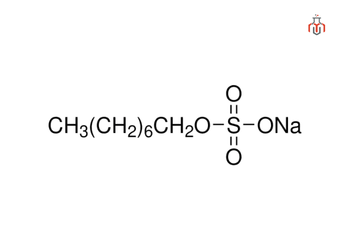
CAS No.: 142-31-4
Synonyms: Sodium octyl sulphate.
| Physical Properties | |
| Chemical formula | C8H17NaO4S |
| IUPAC Name | sodium octyl sulfate |
| Molecular weight | 232.28 g/mol |
| Solubility | Soluble in water |
| Density | 1.04 g/cm³ |
| Appearance | White to Light yellow powder to crystal |
| Storage | Store at room temperature |
| Chemical Properties | |
| Color | White |
| Physical State | Solid |
| Melting Point | 195 °C |
| Ph | 6-8 (20 °C, 10 g/L in H2O) |
| Odor | Characteristic odor |
| Pictograms : | 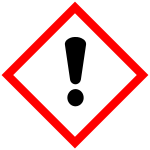 |
| Hazard Statements : | H315: Causes skin irritation. H319: Causes serious eye irritation. H335: May cause respiratory irritation. |
| Precautionary Statements: | P261: Avoid breathing dust/fume/gas/mist/vapours/spray. P280: Wear protective gloves, protective clothing, eye protection, face protection. P302+P352: IF ON SKIN: Wash with plenty of water. P305+P351+P338: IF IN EYES: Rinse cautiously with water for several minutes. Remove contact lenses, if present and easy to do. Continue rinsing. |
Sodium Octyl Sulfate is an anionic surfactant also known as sodium n-octyl sulfate with the chemical formula C₈H₁₇NaO₄S. Its structure contains an eight-carbon hydrophobic chain connected to a hydrophilic sulfate group giving it characteristic surface-active and ion-pairing properties. In biochemical research, the compound is valuable for investigating protein-surfactant interactions, including albumin enrichment and changes in protein structure or enzyme activity. It is also studied in mixed surfactant systems to understand interactions between anionic and cationic surface-active compounds.
CAS No.: 142-31-4
Synonyms: Sodium octyl sulphate.
| Physical Properties | |
| Chemical formula | C8H17NaO4S |
| IUPAC Name | sodium octyl sulfate |
| Molecular weight | 232.28 g/mol |
| Solubility | Soluble in water |
| Density | 1.04 g/cm³ |
| Appearance | White to Light yellow powder to crystal |
| Storage | Store at room temperature |
| Chemical Properties | |
| Color | White |
| Physical State | Solid |
| Melting Point | 195 °C |
| Ph | 6-8 (20 °C, 10 g/L in H2O) |
| Odor | Characteristic odor |
| Pictograms : | |
| Hazard Statements : | H315: Causes skin irritation. H319: Causes serious eye irritation. H335: May cause respiratory irritation. |
| Precautionary Statements: | P261: Avoid breathing dust/fume/gas/mist/vapours/spray. P280: Wear protective gloves, protective clothing, eye protection, face protection. P302+P352: IF ON SKIN: Wash with plenty of water. P305+P351+P338: IF IN EYES: Rinse cautiously with water for several minutes. Remove contact lenses, if present and easy to do. Continue rinsing. |
