

Sodium acetate trihydrate is the hydrated form of sodium acetate, the sodium salt of acetic acid. It has the chemical formula CH₃COONa·3H₂O and occurs as a colorless to white crystalline solid. The compound is hygroscopic and readily soluble in water, producing a moderately alkaline solution. Its structure contains sodium and acetate ions together with three molecules of water of crystallization. Sodium acetate trihydrate is valuable for its buffering behavior, acetate-ion availability and characteristic phase-change properties. When combined with acetic acid, it forms an acetate buffer that maintains mildly acidic conditions which is important for controlled biochemical systems. Its ability to store and release substantial thermal energy during phase transitions also makes it an important material in thermal and materials research.
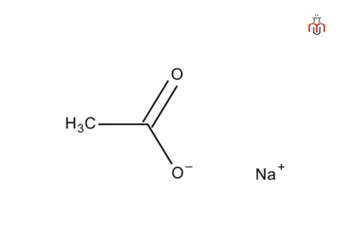
CAS No.: 6131-90-4
Synonyms: Acetic acid sodium salt trihydrate.
| Physical Properties | |
| Chemical formula | C2H9NaO5 |
| IUPAC Name | sodium;acetate;trihydrate |
| Molecular weight | 136.08 g/mol |
| Solubility | Soluble in water |
| Density | 1.45 g/cm3 |
| Appearance | Light yellow to Yellow powder to crystal |
| Storage | Store at room temperature |
| Chemical Properties | |
| Color | White |
| Physical State | Solid |
| Melting Point | 58 °C |
| Boiling Point | 123 °C |
| Ph value | 8.5 – 10 at 408 g/l at 25 °C |
| Odor | Slight acetic acid |
| Pictograms : | 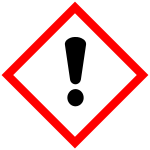 |
| Hazard Statements : | H302: Harmful if swallowed. H312: Harmful in contact with skin. H332: Harmful if inhaled. H315: Causes skin irritation. H319: Causes serious eye irritation. H317: May cause an allergic skin reaction. H335: May cause respiratory irritation. |
| Precautionary Statements: | P260: Do not breathe dust/ fume/ gas/ mist/ vapors/ spray. P280: Wear protective gloves/ protective clothing/ eye protection/ face protection. P301 + P310 + P330: IF SWALLOWED: Immediately call a POISON CENTER or doctor/ physician. Rinse mouth. P303 + P361 + P353: IF ON SKIN (or hair): Take off immediately all contaminated clothing. Rinse skin with water/shower. P304 + P340 + P310: IF INHALED: Remove person to fresh air and keep comfortable for breathing. Immediately call a POISON CENTER or doctor/physician. P305 + P351 + P338: IF IN EYES: Rinse cautiously with water for several minutes. Remove contact lenses, if present and easy to do. Continue rinsing. P403 + P233: Store in a well-ventilated place. Keep container tightly closed. |
..
Sodium acetate trihydrate is the hydrated form of sodium acetate, the sodium salt of acetic acid. It has the chemical formula CH₃COONa·3H₂O and occurs as a colorless to white crystalline solid. The compound is hygroscopic and readily soluble in water, producing a moderately alkaline solution. Its structure contains sodium and acetate ions together with three molecules of water of crystallization. Sodium acetate trihydrate is valuable for its buffering behavior, acetate-ion availability and characteristic phase-change properties. When combined with acetic acid, it forms an acetate buffer that maintains mildly acidic conditions which is important for controlled biochemical systems. Its ability to store and release substantial thermal energy during phase transitions also makes it an important material in thermal and materials research.
CAS No.: 6131-90-4
Synonyms: Acetic acid sodium salt trihydrate.
| Physical Properties | |
| Chemical formula | C2H9NaO5 |
| IUPAC Name | sodium;acetate;trihydrate |
| Molecular weight | 136.08 g/mol |
| Solubility | Soluble in water |
| Density | 1.45 g/cm3 |
| Appearance | Light yellow to Yellow powder to crystal |
| Storage | Store at room temperature |
| Chemical Properties | |
| Color | White |
| Physical State | Solid |
| Melting Point | 58 °C |
| Boiling Point | 123 °C |
| Ph value | 8.5 – 10 at 408 g/l at 25 °C |
| Odor | Slight acetic acid |
| Pictograms : | |
| Hazard Statements : | H302: Harmful if swallowed. H312: Harmful in contact with skin. H332: Harmful if inhaled. H315: Causes skin irritation. H319: Causes serious eye irritation. H317: May cause an allergic skin reaction. H335: May cause respiratory irritation. |
| Precautionary Statements: | P260: Do not breathe dust/ fume/ gas/ mist/ vapors/ spray. P280: Wear protective gloves/ protective clothing/ eye protection/ face protection. P301 + P310 + P330: IF SWALLOWED: Immediately call a POISON CENTER or doctor/ physician. Rinse mouth. P303 + P361 + P353: IF ON SKIN (or hair): Take off immediately all contaminated clothing. Rinse skin with water/shower. P304 + P340 + P310: IF INHALED: Remove person to fresh air and keep comfortable for breathing. Immediately call a POISON CENTER or doctor/physician. P305 + P351 + P338: IF IN EYES: Rinse cautiously with water for several minutes. Remove contact lenses, if present and easy to do. Continue rinsing. P403 + P233: Store in a well-ventilated place. Keep container tightly closed. |
..
