

Silver iodide is an inorganic silver halide with the chemical formula AgI. It typically occurs as a yellow solid and is distinguished by its very low solubility in water, photosensitivity and temperature-dependent crystal structure. AgI can occur in hexagonal β and cubic γ forms in room temperature, while at elevated temperatures it transforms into an α-phase with increased silver-ion mobility. These structural characteristics make silver iodide especially relevant to advanced materials research and solid-state ionics. Its β-phase also has structural similarities to hexagonal ice, which contributes to its importance in atmospheric studies. Silver iodide is further investigated in biological research to understand how released silver ions interact with proteins, nucleic acids, enzymes, microorganisms and cellular systems.
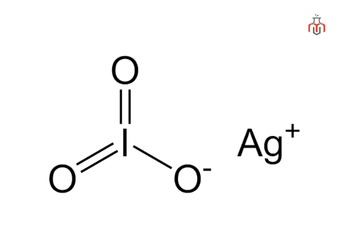
CAS No.: 7783-96-2
Synonyms: Argentous iodide
| Physical Properties | |
| Chemical formula | AgI |
| IUPAC Name | iodosilver |
| Molecular weight | 234.773 g/mol |
| Solubility | Insoluble in water |
| Density | 5.68 g/cm³ |
| Appearance | Light yellow to Yellow powder to crystal |
| Storage | Store at room temperature |
| Chemical Properties | |
| Color | Light yellow to yellow |
| Physical State | Solid |
| Melting Point | 552 °C |
| Boiling Point | 1506 °C |
| Odor | Odorless |
| Pictograms : |  |
| Hazard Statements : | H400: Very toxic to aquatic life |
| Precautionary Statements: | P273: Avoid release to the environment P501: Dispose of contents/container to.. |
..
Silver iodide is an inorganic silver halide with the chemical formula AgI. It typically occurs as a yellow solid and is distinguished by its very low solubility in water, photosensitivity and temperature-dependent crystal structure. AgI can occur in hexagonal β and cubic γ forms in room temperature, while at elevated temperatures it transforms into an α-phase with increased silver-ion mobility. These structural characteristics make silver iodide especially relevant to advanced materials research and solid-state ionics. Its β-phase also has structural similarities to hexagonal ice, which contributes to its importance in atmospheric studies. Silver iodide is further investigated in biological research to understand how released silver ions interact with proteins, nucleic acids, enzymes, microorganisms and cellular systems.
CAS No.: 7783-96-2
Synonyms: Argentous iodide
| Physical Properties | |
| Chemical formula | AgI |
| IUPAC Name | iodosilver |
| Molecular weight | 234.773 g/mol |
| Solubility | Insoluble in water |
| Density | 5.68 g/cm³ |
| Appearance | Light yellow to Yellow powder to crystal |
| Storage | Store at room temperature |
| Chemical Properties | |
| Color | Light yellow to yellow |
| Physical State | Solid |
| Melting Point | 552 °C |
| Boiling Point | 1506 °C |
| Odor | Odorless |
| Pictograms : | |
| Hazard Statements : | H400: Very toxic to aquatic life |
| Precautionary Statements: | P273: Avoid release to the environment P501: Dispose of contents/container to.. |
..
