

O-Phthalaldehyde (OPA) is also known as ortho-phthalaldehyde or 1,2-benzenedicarboxaldehyde, is an aromatic dialdehyde with the chemical formula C₆H₄(CHO)₂. Its structure consists of two formyl groups attached to adjacent carbon atoms of a benzene ring, giving the compound distinctive chemical reactivity. It generally occurs as a pale yellow solid and is one of the three isomers of benzenedicarbaldehyde. The closely positioned aldehyde groups allow O-Phthalaldehyde to react readily with primary amines and form fluorescent products. Its fluorescence can be further enhanced in reactions involving both amine and thiol groups. OPA solutions are sensitive to environmental conditions and may degrade upon exposure to UV light and air.
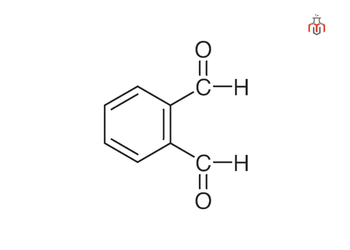
CAS No.: 643-79-8
Synonyms: Benzene-1,2-dicarboxaldehyde, o-Phthalaldehyde, o-Phthalic dicarboxaldehyde, Phthaldialdehyde.
| Physical Properties | |
| Chemical formula | C6H4(CHO)2 |
| IUPAC Name | phthalaldehyde |
| Molecular weight | 134.13 g/mol |
| Solubility | Insoluble in water and soluble in Methanol |
| Flash Point | 110 °C |
| Appearance | Pale yellow to light yellow crystalline solid, powder, or small lumps |
| Storage | Store at room temperature |
| Chemical Properties | |
| Color | Pale Yellow |
| Physical State | Solid |
| Melting Point | 55-58 °C |
| Boiling Point | 83 °C |
| Pictograms : | 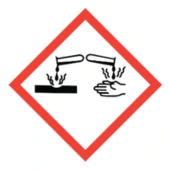 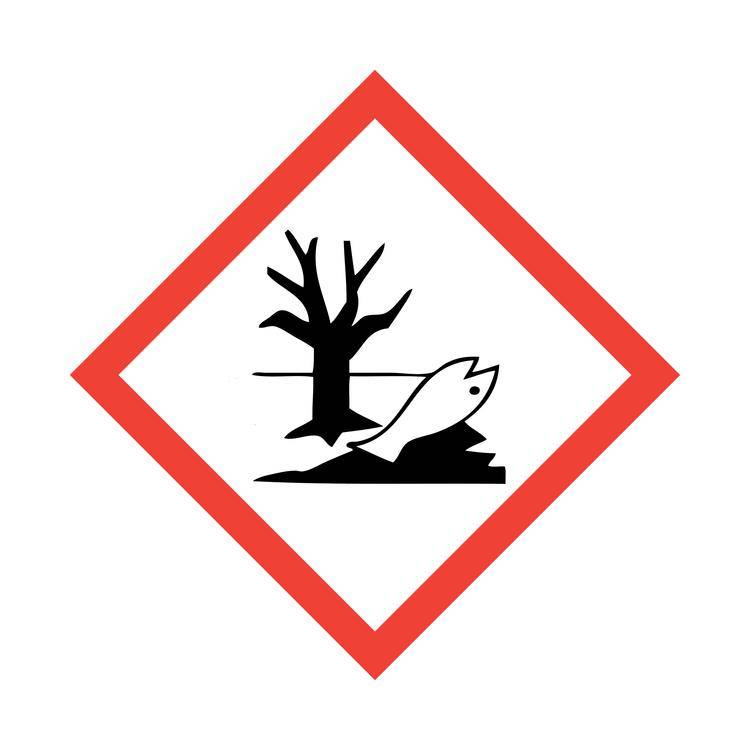 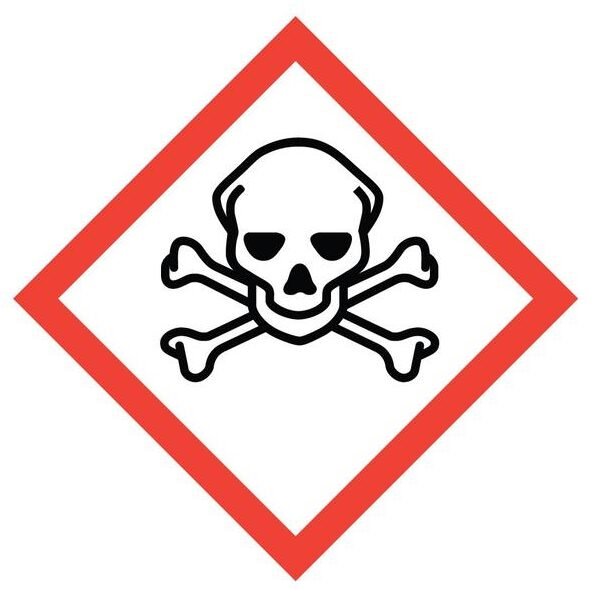 |
| Hazard Statements : | H301: Toxic if swallowed. H314: Causes severe skin burns and eye damage. H317: May cause an allergic skin reaction. H400: Very toxic to aquatic life. |
| Precautionary Statements: | P273: Avoid release to the environment. P280: Wear protective gloves, protective clothing, eye protection, face protection. P301+P310: IF SWALLOWED: Immediately call a POISON CENTER or doctor. P303+P361+P353: IF ON SKIN (or hair): Take off immediately all contaminated clothing. Rinse skin with water. P305+P351+P338: IF IN EYES: Rinse cautiously with water for several minutes. Remove contact lenses, if present and easy to do. Continue rinsing |
O-Phthalaldehyde (OPA) is also known as ortho-phthalaldehyde or 1,2-benzenedicarboxaldehyde, is an aromatic dialdehyde with the chemical formula C₆H₄(CHO)₂. Its structure consists of two formyl groups attached to adjacent carbon atoms of a benzene ring, giving the compound distinctive chemical reactivity. It generally occurs as a pale yellow solid and is one of the three isomers of benzenedicarbaldehyde. The closely positioned aldehyde groups allow O-Phthalaldehyde to react readily with primary amines and form fluorescent products. Its fluorescence can be further enhanced in reactions involving both amine and thiol groups. OPA solutions are sensitive to environmental conditions and may degrade upon exposure to UV light and air.
CAS No.: 643-79-8
Synonyms: Benzene-1,2-dicarboxaldehyde, o-Phthalaldehyde, o-Phthalic dicarboxaldehyde, Phthaldialdehyde.
| Physical Properties | |
| Chemical formula | C6H4(CHO)2 |
| IUPAC Name | phthalaldehyde |
| Molecular weight | 134.13 g/mol |
| Solubility | Insoluble in water and soluble in Methanol |
| Flash Point | 110 °C |
| Appearance | Pale yellow to light yellow crystalline solid, powder, or small lumps |
| Storage | Store at room temperature |
| Chemical Properties | |
| Color | Pale Yellow |
| Physical State | Solid |
| Melting Point | 55-58 °C |
| Boiling Point | 83 °C |
| Pictograms : | |
| Hazard Statements : | H301: Toxic if swallowed. H314: Causes severe skin burns and eye damage. H317: May cause an allergic skin reaction. H400: Very toxic to aquatic life. |
| Precautionary Statements: | P273: Avoid release to the environment. P280: Wear protective gloves, protective clothing, eye protection, face protection. P301+P310: IF SWALLOWED: Immediately call a POISON CENTER or doctor. P303+P361+P353: IF ON SKIN (or hair): Take off immediately all contaminated clothing. Rinse skin with water. P305+P351+P338: IF IN EYES: Rinse cautiously with water for several minutes. Remove contact lenses, if present and easy to do. Continue rinsing |
