

N-Ethylenediamine Dihydrochloride is the dihydrochloride salt of ethylenediamine. It is an organic compound containing two amine groups and typically occurs as a white crystalline solid and is highly soluble in water. The compound exhibits basic characteristics associated with its amine groups, which readily undergo protonation reactions. It is primarily utilized in pharmaceutical synthesis, as a chelating agent, and in the preparation of various chemical intermediates. Its relationship to ethylenediamine, a bidentate ligand, also gives it characteristic metal-binding and coordination properties.

CAS No.: 333-18-6
Synonyms: Ethylenediamine dihydrochloride, 1,2-Diaminoethane dihydrochloride, Ethylenediammonium chloride.
| Physical Properties | |
| Chemical formula | C2H8N2·2HCl |
| IUPAC Name | Ethane-1,2-diamine;dihydrochloride |
| Molecular weight | 133.02 g/mol |
| Solubility | Insoluble in water |
| Appearance | Crystalline powder |
| Storage | Store at room temperature |
| Chemical Properties | |
| Color | White |
| Physical State | Solid |
| Melting Point | >300 °C |
| Ph | 5 (20 °C, 100 g/L in H2O) |
| Odor | Odorless |
| Pictograms : | 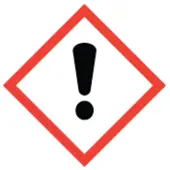 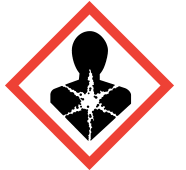 |
| Hazard Statements : | H302: Harmful if swallowed. H315: Causes skin irritation. H317: May cause an allergic skin reaction. H319: Causes serious eye irritation. H334: May cause allergy or asthma symptoms or breathing difficulties if inhaled. H335: May cause respiratory irritation. |
| Precautionary Statements: | P261: Avoid breathing fume, gas, spray, dust, vapours. P280: Wear protective gloves, protective clothing, eye protection, face protection. P301+P312: IF SWALLOWED: Call a POISON CENTRE or doctor if you feel unwell. P302+P352: IF ON SKIN: Wash with plenty of water. P305+P351+P338: IF IN EYES: Rinse cautiously with water for several minutes. Remove contact lenses, if present and easy to do. Continue rinsing. |
N-Ethylenediamine Dihydrochloride is the dihydrochloride salt of ethylenediamine. It is an organic compound containing two amine groups and typically occurs as a white crystalline solid and is highly soluble in water. The compound exhibits basic characteristics associated with its amine groups, which readily undergo protonation reactions. It is primarily utilized in pharmaceutical synthesis, as a chelating agent, and in the preparation of various chemical intermediates. Its relationship to ethylenediamine, a bidentate ligand, also gives it characteristic metal-binding and coordination properties.
CAS No.: 333-18-6
Synonyms: Ethylenediamine dihydrochloride, 1,2-Diaminoethane dihydrochloride, Ethylenediammonium chloride.
| Physical Properties | |
| Chemical formula | C2H8N2·2HCl |
| IUPAC Name | Ethane-1,2-diamine;dihydrochloride |
| Molecular weight | 133.02 g/mol |
| Solubility | Insoluble in water |
| Appearance | Crystalline powder |
| Storage | Store at room temperature |
| Chemical Properties | |
| Color | White |
| Physical State | Solid |
| Melting Point | >300 °C |
| Ph | 5 (20 °C, 100 g/L in H2O) |
| Odor | Odorless |
| Pictograms : | |
| Hazard Statements : | H302: Harmful if swallowed. H315: Causes skin irritation. H317: May cause an allergic skin reaction. H319: Causes serious eye irritation. H334: May cause allergy or asthma symptoms or breathing difficulties if inhaled. H335: May cause respiratory irritation. |
| Precautionary Statements: | P261: Avoid breathing fume, gas, spray, dust, vapours. P280: Wear protective gloves, protective clothing, eye protection, face protection. P301+P312: IF SWALLOWED: Call a POISON CENTRE or doctor if you feel unwell. P302+P352: IF ON SKIN: Wash with plenty of water. P305+P351+P338: IF IN EYES: Rinse cautiously with water for several minutes. Remove contact lenses, if present and easy to do. Continue rinsing. |
