
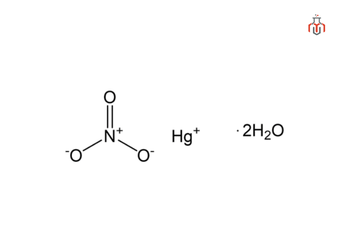
Mercurous Nitrate Dihydrate is also known as Mercury(I) Nitrate Dihydrate, is an inorganic mercury(I) salt generally represented by the formula Hg₂(NO₃)₂·2H₂O. It is commonly encountered as an off-white to pale crystalline solid and is slightly soluble in water. Unlike mercury(II) salts, it contains the characteristic Hg₂²⁺ (mercurous) ion, in which two mercury atoms are directly bonded. Structural studies of the hydrated compound have identified a water-coordinated H₂O–Hg–Hg–OH₂ center, reflecting the distinctive bonding chemistry of mercury in the +1 oxidation state. The compound provides a useful source of mercury(I) ions and readily participates in precipitation, complex formation, redox, and oxidation reactions. Its chemical behavior has made it a valuable laboratory reagent for studying mercury(I) chemistry. Mercurous Nitrate Dihydrate is particularly important as a precursor for the preparation of other mercury(I) compounds and complexes.
CAS No.: 14836-60-3
Synonyms: Mercury(I) nitrate dihydrate, nitric acid mercury(1+) salt dihydrate, mercurous dihydrate.
| Physical Properties | |
| Chemical formula | H4Hg2N2O8 |
| IUPAC Name | bis(mercury(1+));dinitrate;dihydrate |
| Molecular weight | 561.22 g/mol |
| Solubility | Soluble in water |
| Density | 4.78 g/cm3 |
| Appearance | Yellow crystalline powder |
| Storage | Store at room temperature |
| Chemical Properties | |
| Color | White |
| Physical State | Solid |
| Melting Point | 70 °C |
| Odor | Odorless or slight nitric acid odor |
| Pictograms : | 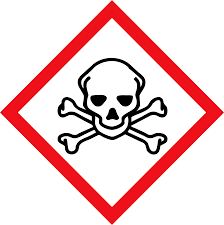 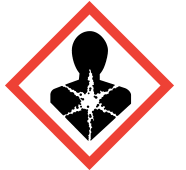 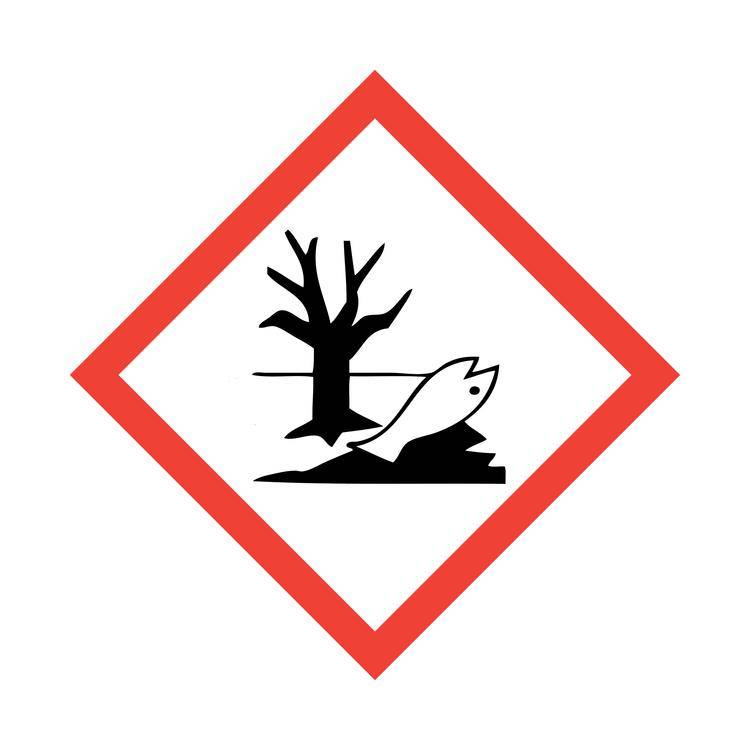 |
| Hazard Statements : | H300+H310+H330 – Fatal if swallowed, in contact with skin or if inhaled. H373 – May cause damage to organs through prolonged or repeated exposure. H410 – Very toxic to aquatic life with long-lasting effects. |
| Precautionary Statements: | P260: Do not breathe dust, fume, gas, mist, spray, vapours. P264: Wash hands, forearms and face thoroughly after handling. P273: Avoid release to the environment. P280: Wear protective clothing, eye protection, face protection, protective gloves. P301+P310: IF SWALLOWED: Immediately call a POISON CENTER or doctor. P302+P352: IF ON SKIN: Wash with plenty of water. P304+P340: IF INHALED: Remove person to fresh air and keep comfortable for breathing. P284 – Wear respiratory protection. |
Mercurous Nitrate Dihydrate is also known as Mercury(I) Nitrate Dihydrate, is an inorganic mercury(I) salt generally represented by the formula Hg₂(NO₃)₂·2H₂O. It is commonly encountered as an off-white to pale crystalline solid and is slightly soluble in water. Unlike mercury(II) salts, it contains the characteristic Hg₂²⁺ (mercurous) ion, in which two mercury atoms are directly bonded. Structural studies of the hydrated compound have identified a water-coordinated H₂O–Hg–Hg–OH₂ center, reflecting the distinctive bonding chemistry of mercury in the +1 oxidation state. The compound provides a useful source of mercury(I) ions and readily participates in precipitation, complex formation, redox, and oxidation reactions. Its chemical behavior has made it a valuable laboratory reagent for studying mercury(I) chemistry. Mercurous Nitrate Dihydrate is particularly important as a precursor for the preparation of other mercury(I) compounds and complexes.
CAS No.: 14836-60-3
Synonyms: Mercury(I) nitrate dihydrate, nitric acid mercury(1+) salt dihydrate, mercurous dihydrate.
| Physical Properties | |
| Chemical formula | H4Hg2N2O8 |
| IUPAC Name | bis(mercury(1+));dinitrate;dihydrate |
| Molecular weight | 561.22 g/mol |
| Solubility | Soluble in water |
| Density | 4.78 g/cm3 |
| Appearance | Yellow crystalline powder |
| Storage | Store at room temperature |
| Chemical Properties | |
| Color | White |
| Physical State | Solid |
| Melting Point | 70 °C |
| Odor | Odorless or slight nitric acid odor |
| Pictograms : | |
| Hazard Statements : | H300+H310+H330 – Fatal if swallowed, in contact with skin or if inhaled. H373 – May cause damage to organs through prolonged or repeated exposure. H410 – Very toxic to aquatic life with long-lasting effects. |
| Precautionary Statements: | P260: Do not breathe dust, fume, gas, mist, spray, vapours. P264: Wash hands, forearms and face thoroughly after handling. P273: Avoid release to the environment. P280: Wear protective clothing, eye protection, face protection, protective gloves. P301+P310: IF SWALLOWED: Immediately call a POISON CENTER or doctor. P302+P352: IF ON SKIN: Wash with plenty of water. P304+P340: IF INHALED: Remove person to fresh air and keep comfortable for breathing. P284 – Wear respiratory protection. |
