

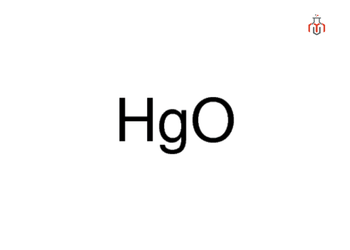
Mercuric Oxide Red, also known as red mercury(II) oxide or red mercuric oxide, is an inorganic mercury compound with the chemical formula HgO. It is characterized by its distinctive red to orange-red appearance and generally occurs as an odorless, dense crystalline powder or scales. The compound is solid under normal conditions, while finely divided mercuric oxide may exhibit a yellow coloration. In nature, mercury(II) oxide occurs only rarely as the mineral montroydite.
Mercuric Oxide Red exhibits characteristic thermal behavior and decomposes upon sufficient heating to form elemental mercury with the release of oxygen gas. Its defined composition, chemical reactivity and mercury-containing nature make it a significant compound in inorganic chemistry. It is particularly valued as a chemical intermediate for the preparation of mercury and other mercury-containing compounds.
CAS No.: 21908-53-2
Synonyms: Red mercuric oxide, mercury(II) oxide red, red oxide of mercury.
| Physical Properties | |
| Chemical formula | HgO |
| IUPAC Name | oxomercury |
| Molecular weight | 216.59 g/mol |
| Solubility | Insoluble in water |
| Density | 11.14 g/cm3 |
| Appearance | Red to red-orange powder |
| Chemical Properties | |
| Color | Orange, red to yellow |
| Physical State | Solid |
| Melting Point | 500 °C |
| Ph value | 6-7 (20 °C, 50 g/L in H2O) |
| Vapor Pressure | 0.12 Pa ( 20 °C) |
| Odor | Odorless |
| Pictograms : | 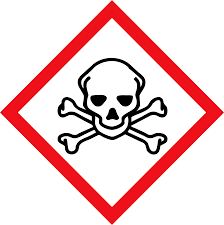 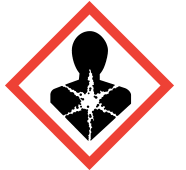 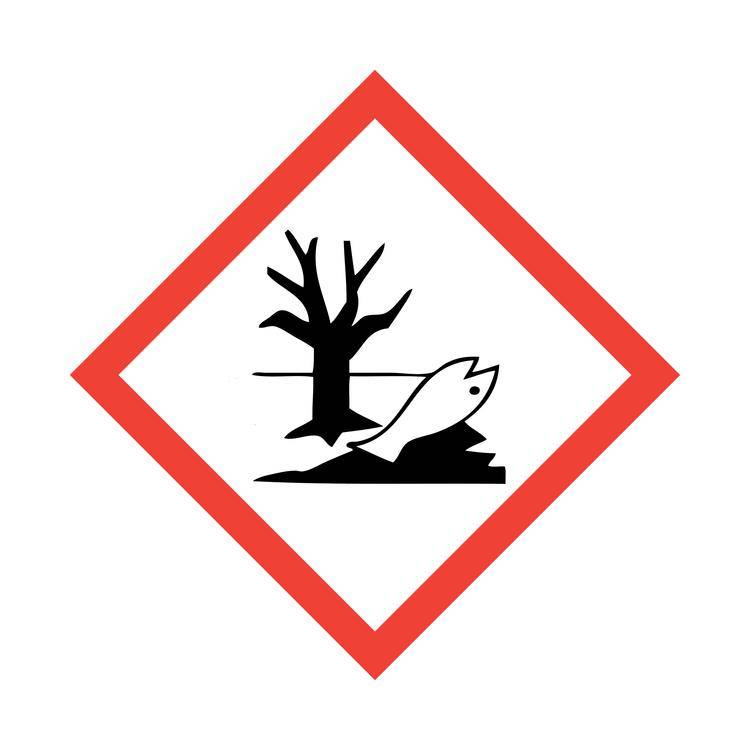 |
| Hazard Statements : | H300+H310+H330: Fatal if swallowed, in contact with skin or if inhaled. H373: May cause damage to organs through prolonged or repeated exposure. H410: Very toxic to aquatic life with long lasting effects. |
| Precautionary Statements: | P260: Do not breathe dust, fume, gas, mist, spray, vapours. P264: Wash hands, forearms and face thoroughly after handling. P273: Avoid release to the environment. P280: Wear protective clothing, eye protection, face protection, protective gloves. P301+P310: IF SWALLOWED: Immediately call a POISON CENTER or doctor. P302+P352: IF ON SKIN: Wash with plenty of water. P304+P340: IF INHALED: Remove person to fresh air and keep comfortable for breathing. P284 – Wear respiratory protection. |
Mercuric Oxide Red, also known as red mercury(II) oxide or red mercuric oxide, is an inorganic mercury compound with the chemical formula HgO. It is characterized by its distinctive red to orange-red appearance and generally occurs as an odorless, dense crystalline powder or scales. The compound is solid under normal conditions, while finely divided mercuric oxide may exhibit a yellow coloration. In nature, mercury(II) oxide occurs only rarely as the mineral montroydite.
Mercuric Oxide Red exhibits characteristic thermal behavior and decomposes upon sufficient heating to form elemental mercury with the release of oxygen gas. Its defined composition, chemical reactivity and mercury-containing nature make it a significant compound in inorganic chemistry. It is particularly valued as a chemical intermediate for the preparation of mercury and other mercury-containing compounds.
CAS No.: 21908-53-2
Synonyms: Red mercuric oxide, mercury(II) oxide red, red oxide of mercury.
| Physical Properties | |
| Chemical formula | HgO |
| IUPAC Name | oxomercury |
| Molecular weight | 216.59 g/mol |
| Solubility | Insoluble in water |
| Density | 11.14 g/cm3 |
| Appearance | Red to red-orange powder |
| Chemical Properties | |
| Color | Orange, red to yellow |
| Physical State | Solid |
| Melting Point | 500 °C |
| Ph value | 6-7 (20 °C, 50 g/L in H2O) |
| Vapor Pressure | 0.12 Pa ( 20 °C) |
| Odor | Odorless |
| Pictograms : | |
| Hazard Statements : | H300+H310+H330: Fatal if swallowed, in contact with skin or if inhaled. H373: May cause damage to organs through prolonged or repeated exposure. H410: Very toxic to aquatic life with long lasting effects. |
| Precautionary Statements: | P260: Do not breathe dust, fume, gas, mist, spray, vapours. P264: Wash hands, forearms and face thoroughly after handling. P273: Avoid release to the environment. P280: Wear protective clothing, eye protection, face protection, protective gloves. P301+P310: IF SWALLOWED: Immediately call a POISON CENTER or doctor. P302+P352: IF ON SKIN: Wash with plenty of water. P304+P340: IF INHALED: Remove person to fresh air and keep comfortable for breathing. P284 – Wear respiratory protection. |
