

Lead Nitrate is also known as Lead(II) nitrate, is an inorganic compound with the chemical formula Pb(NO₃)₂. It is produced by dissolving metallic lead or lead(II) oxide in nitric acid and appears as a colorless crystalline solid or white powder. Unlike most other lead salts, it combines high water solubility with strong oxidizing properties. Lead Nitrate is also hygroscopic and decomposes to give nitrogen dioxide and oxygen on heating. These characteristics have made it an important intermediate for the manufacture of other lead compounds as well as a reagent for analytical, industrial, and materials research applications.
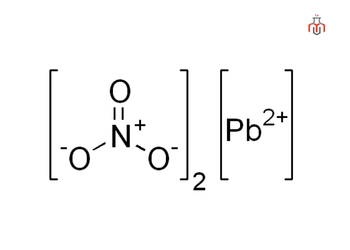
CAS No.: 10099-74-8
Synonyms: Lead(II) nitrate, Plumbous nitrate, Lead dinitrate.
| Physical Properties | |
| Chemical formula | Pb(NO3)2 |
| IUPAC Name | lead(2+) dinitrate |
| Molecular weight | 331 g/mol |
| Solubility | Soluble in water |
| Density | 4.53 |
| Appearance | White crystalline powder |
| Storage | Store in a cool, dry, and well-ventilated area |
| Chemical Properties | |
| Color | White |
| Physical State | Solid |
| Melting Point | 470 °C |
| Ph | 3-5 |
| Odor | Odorless |
| Pictograms : | 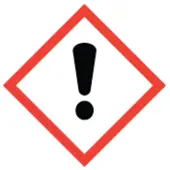 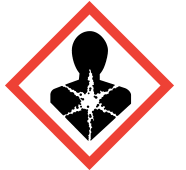 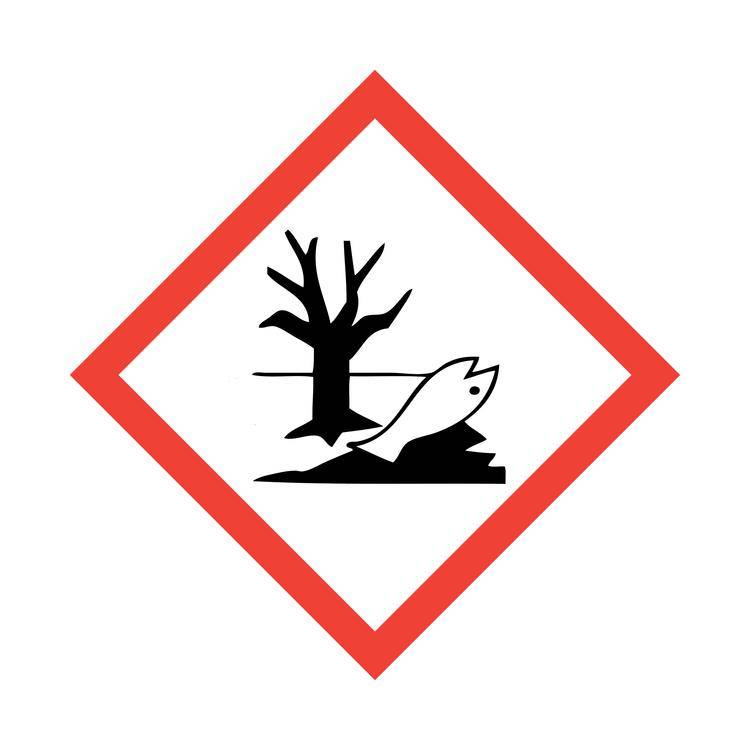 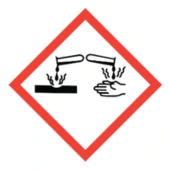 |
| Hazard Statements : | H272: May intensify fire; oxidiser. H302+H332: Harmful if swallowed or if inhaled. H360: May damage fertility or the unborn child. H373: May cause damage to organs through prolonged or repeated exposure. H410: Very toxic to aquatic life with long-lasting effects. |
| Precautionary Statements: | P273: Avoid release to the environment. P301+P312: IF SWALLOWED: Call a POISON CENTRE or doctor if you feel unwell. P304+P340: IF INHALED: Remove person to fresh air and keep comfortable for breathing. P308+P313: IF exposed or concerned: Get medical advice/attention. |
Lead Nitrate is also known as Lead(II) nitrate, is an inorganic compound with the chemical formula Pb(NO₃)₂. It is produced by dissolving metallic lead or lead(II) oxide in nitric acid and appears as a colorless crystalline solid or white powder. Unlike most other lead salts, it combines high water solubility with strong oxidizing properties. Lead Nitrate is also hygroscopic and decomposes to give nitrogen dioxide and oxygen on heating. These characteristics have made it an important intermediate for the manufacture of other lead compounds as well as a reagent for analytical, industrial, and materials research applications.
CAS No.: 10099-74-8
Synonyms: Lead(II) nitrate, Plumbous nitrate, Lead dinitrate.
| Physical Properties | |
| Chemical formula | Pb(NO3)2 |
| IUPAC Name | lead(2+) dinitrate |
| Molecular weight | 331 g/mol |
| Solubility | Soluble in water |
| Density | 4.53 |
| Appearance | White crystalline powder |
| Storage | Store in a cool, dry, and well-ventilated area |
| Chemical Properties | |
| Color | White |
| Physical State | Solid |
| Melting Point | 470 °C |
| Ph | 3-5 |
| Odor | Odorless |
| Pictograms : | |
| Hazard Statements : | H272: May intensify fire; oxidiser. H302+H332: Harmful if swallowed or if inhaled. H360: May damage fertility or the unborn child. H373: May cause damage to organs through prolonged or repeated exposure. H410: Very toxic to aquatic life with long-lasting effects. |
| Precautionary Statements: | P273: Avoid release to the environment. P301+P312: IF SWALLOWED: Call a POISON CENTRE or doctor if you feel unwell. P304+P340: IF INHALED: Remove person to fresh air and keep comfortable for breathing. P308+P313: IF exposed or concerned: Get medical advice/attention. |
