
Allantoin is a naturally occurring chemical compound used in skincare products for a wide range of uses, such as enhancing smoothness, healing. burns and cuts. Naturally, it is found in plants such as comfrey and also in cosmetic products like serum, lotions, and moisturisers.
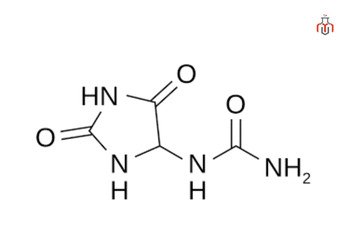
CAS No.: 97-59-6
Synonyms: 5-Ureidohydantoin, Glyoxyldiureide, Cordianine, Allantol, Alantan, Cutemole emollient, Psoralon
| Physical Properties | |
| Chemical formula | C₄H₆N₄O₃ |
| IUPAC name | (2,5-Dioxo-4-imidazolidinyl) urea |
| Molecular weight | 158.121 g/mol |
| Solubility | Slightly soluble in water |
| Odor | Odorless |
| Flash point | Not applicable |
| Density | 1.45 g/cm3 |
| Chemical Properties | |
| Color | Colourless |
| State | Crystalline powder |
| Boiling point | 478 °C |
| Melting point | 230 °C |
| pH | 4.5 – 6 |
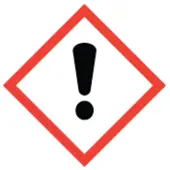
| Pictograms : |
|
| Hazard Statements : | H302 Harmful if swallowed |
| Precautionary statements : | P264 Wash thoroughly after handling. |
Allantoin is a naturally occurring chemical compound used in skincare products for a wide range of uses, such as enhancing smoothness, healing. burns and cuts. Naturally, it is found in plants such as comfrey and also in cosmetic products like serum, lotions, and moisturisers.
CAS No.: 97-59-6
Synonyms: 5-Ureidohydantoin, Glyoxyldiureide, Cordianine, Allantol, Alantan, Cutemole emollient, Psoralon
| Physical Properties | |
| Chemical formula | C₄H₆N₄O₃ |
| IUPAC name | (2,5-Dioxo-4-imidazolidinyl) urea |
| Molecular weight | 158.121 g/mol |
| Solubility | Slightly soluble in water |
| Odor | Odorless |
| Flash point | Not applicable |
| Density | 1.45 g/cm3 |
| Chemical Properties | |
| Color | Colourless |
| State | Crystalline powder |
| Boiling point | 478 °C |
| Melting point | 230 °C |
| pH | 4.5 – 6 |
| Pictograms : |
|
| Hazard Statements : | H302 Harmful if swallowed |
| Precautionary statements : | P264 Wash thoroughly after handling. |