
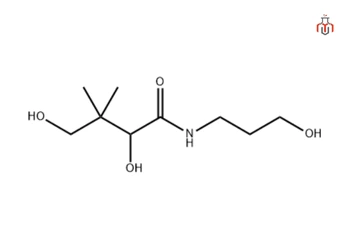
Panthenol or Provitamin B5 is an analogue of pantothenic acid. The racemic mixture of the enantiomers D and L, DL-panthenol, is commonly used in cosmetic and skincare products. It penetrates into the skin and mucous membrane, where it is oxidized to Pantothenic acid. It is hygroscopic in nature, meaning it attracts and retains water molecules either by adsorption or absorption.
It keeps the skin smooth, strengthens the skin barrier, improves elasticity and keeps the skin hydrated. It is beneficial for hair growth as it promotes the better health of outer sheath cells and dermal papilla cells of hair follicles.
CAS No.: 16485-10-2
Synonyms: L-Panthenol, Panthenol, (S)-, D-Panthenol-d4, DL-Panthenol, panthenol, DL-Pantothenol, DL-Pantothenyl alcohol
| Physical Properties | |
| Chemical formula | C9H19NO4 |
| IUPAC name | (2S)-2,4-dihydroxy-N-(3-hydroxypropyl)-3,3-dimethylbutanamide |
| Molecular weight | 205.25 g/mol |
| Solubility | Soluble in water, alcohol, propylene glycol, chloroform and ether |
| Odor | Odorless |
| Flash point | 49°C [120°F] |
| Density | 1.2 g/cm³ |
| Chemical Properties | |
| Color | White or light grey |
| State | Crystal or powder |
| Boiling point | 118 °C |
| Melting point | 66 °C |
In Skincare
In Haircare
People with sensitive skin, especially those with chronic eczema, may experience:
In oral supplements it can cause gastrointestinal issues and diarrhoea.
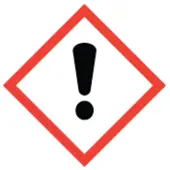
| Pictograms : |
|
| Hazard Statements : | H302 – Harmful if swallowed H317 – May cause an allergic skin reaction H318 – Causes serious eye damage H341 – Suspected of causing genetic defects H351 – Suspected of causing cancer H410 – Very toxic to aquatic life with long-lasting effects
|
| Precautionary statements : | P273 – Avoid release to the environment. P280 – Wear protective gloves/protective clothing/eye protection/face protection. P301 + P312 – IF SWALLOWED: Call a POISON CENTER/doctor if you feel unwell. P302 + P352 – IF ON SKIN: Wash with plenty of water. P305 + P351 + P338 – IF IN EYES: Rinse cautiously with water for several minutes. P308 + P313 – IF exposed or concerned: Get medical advice/attention. |
Panthenol or Provitamin B5 is an analogue of pantothenic acid. The racemic mixture of the enantiomers D and L, DL-panthenol, is commonly used in cosmetic and skincare products. It penetrates into the skin and mucous membrane, where it is oxidized to Pantothenic acid. It is hygroscopic in nature, meaning it attracts and retains water molecules either by adsorption or absorption.
It keeps the skin smooth, strengthens the skin barrier, improves elasticity and keeps the skin hydrated. It is beneficial for hair growth as it promotes the better health of outer sheath cells and dermal papilla cells of hair follicles.
CAS No.: 16485-10-2
Synonyms: L-Panthenol, Panthenol, (S)-, D-Panthenol-d4, DL-Panthenol, panthenol, DL-Pantothenol, DL-Pantothenyl alcohol
| Physical Properties | |
| Chemical formula | C9H19NO4 |
| IUPAC name | (2S)-2,4-dihydroxy-N-(3-hydroxypropyl)-3,3-dimethylbutanamide |
| Molecular weight | 205.25 g/mol |
| Solubility | Soluble in water, alcohol, propylene glycol, chloroform and ether |
| Odor | Odorless |
| Flash point | 49°C [120°F] |
| Density | 1.2 g/cm³ |
| Chemical Properties | |
| Color | White or light grey |
| State | Crystal or powder |
| Boiling point | 118 °C |
| Melting point | 66 °C |
In Skincare
In Haircare
People with sensitive skin, especially those with chronic eczema, may experience:
In oral supplements it can cause gastrointestinal issues and diarrhoea.
| Pictograms : |
|
| Hazard Statements : | H302 – Harmful if swallowed H317 – May cause an allergic skin reaction H318 – Causes serious eye damage H341 – Suspected of causing genetic defects H351 – Suspected of causing cancer H410 – Very toxic to aquatic life with long-lasting effects
|
| Precautionary statements : | P273 – Avoid release to the environment. P280 – Wear protective gloves/protective clothing/eye protection/face protection. P301 + P312 – IF SWALLOWED: Call a POISON CENTER/doctor if you feel unwell. P302 + P352 – IF ON SKIN: Wash with plenty of water. P305 + P351 + P338 – IF IN EYES: Rinse cautiously with water for several minutes. P308 + P313 – IF exposed or concerned: Get medical advice/attention. |