
Glycolic acid is the smallest α-hydroxy acid (AHA), composed of hydroxyl and carboxyl groups. It is commonly used by dermatologists for chemical peeling. It removes the top layer of dead skin cells and is used to treat acne, sun damage, dark patches, and acne scars.
It can be isolated from natural sources like grapes, pineapple, cantaloupe, sugarcane and sugarbeets.
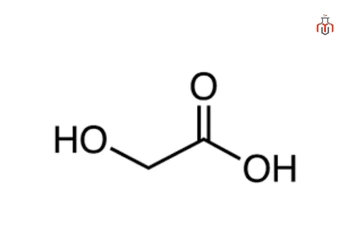
CAS No.: 79-14-1
Synonyms: 2-Hydroxyacetic acid, hydroxyacetic acid, Glycollic acid, Hydroxyethanoic acid, glycolate, Kyselina glykolova, alpha-Hydroxyacetic acid, Kyselina hydroxyoctova
| Physical Properties | |
| Chemical formula | C2H4O3 |
| IUPAC name | 2-hydroxyacetic acid |
| Molecular weight | 76.05 g/mol |
| Solubility | Soluble in ethanol, ethyl ether, water |
| Odor | Odorless |
| Flash point | 49°C [120°F] |
| Density | 1.49 at 25 °C |
| Chemical Properties | |
| Color | Colorless |
| State | crystalline solid |
| Boiling point | 79.5 °C°C |
| Melting point | 100°C |
| LogP | -1.11 |
| Vapour Pressure | 0.02 [mmHg] |
| pH | 2.5 |
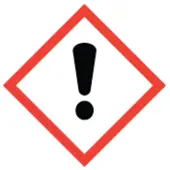
| Pictograms : |
|
| Hazard Statements : | H314 Causes severe skin burns and eye damage H332 Harmful if inhaled |
| Precautionary statements : | P260 Do not breathe gas/mist/vapours/spray P280 Wear protective gloves/eye protection Precautionary statements – response P303+P361+P353 IF ON SKIN (or hair): Take off immediately all contaminated clothing. Rinse skin with water [or shower] P304+P340 IF INHALED: Remove person to fresh air and keep comfortable for breathing P305+P351+P338 IF IN EYES: Rinse cautiously with water for several minutes. Remove contact lenses, if present and easy to do. Continue rinsing |
Glycolic acid is the smallest α-hydroxy acid (AHA), composed of hydroxyl and carboxyl groups. It is commonly used by dermatologists for chemical peeling. It removes the top layer of dead skin cells and is used to treat acne, sun damage, dark patches, and acne scars.
It can be isolated from natural sources like grapes, pineapple, cantaloupe, sugarcane and sugarbeets.
CAS No.: 79-14-1
Synonyms: 2-Hydroxyacetic acid, hydroxyacetic acid, Glycollic acid, Hydroxyethanoic acid, glycolate, Kyselina glykolova, alpha-Hydroxyacetic acid, Kyselina hydroxyoctova
| Physical Properties | |
| Chemical formula | C2H4O3 |
| IUPAC name | 2-hydroxyacetic acid |
| Molecular weight | 76.05 g/mol |
| Solubility | Soluble in ethanol, ethyl ether, water |
| Odor | Odorless |
| Flash point | 49°C [120°F] |
| Density | 1.49 at 25 °C |
| Chemical Properties | |
| Color | Colorless |
| State | crystalline solid |
| Boiling point | 79.5 °C°C |
| Melting point | 100°C |
| LogP | -1.11 |
| Vapour Pressure | 0.02 [mmHg] |
| pH | 2.5 |
| Pictograms : |
|
| Hazard Statements : | H314 Causes severe skin burns and eye damage H332 Harmful if inhaled |
| Precautionary statements : | P260 Do not breathe gas/mist/vapours/spray P280 Wear protective gloves/eye protection Precautionary statements – response P303+P361+P353 IF ON SKIN (or hair): Take off immediately all contaminated clothing. Rinse skin with water [or shower] P304+P340 IF INHALED: Remove person to fresh air and keep comfortable for breathing P305+P351+P338 IF IN EYES: Rinse cautiously with water for several minutes. Remove contact lenses, if present and easy to do. Continue rinsing |