

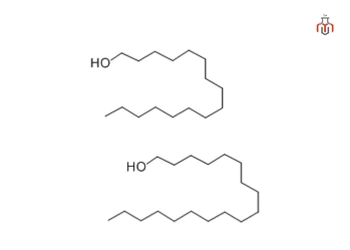
Cetearyl alcohol is classified as a fatty alcohol, a mixture of cetyl (16 C) and stearyl alcohols (18 C). It helps in stabilizing the emulsions, helps in preventing the separation of oil and water. It acts as foam boosting surfactant, and opacifying agent. It is commonly found in skincare and haircare products as an emollient, thickening agent, for improving the stability and quality of the product. It is found in shampoos, lotions, sunscreens, makeup products, etc.
CAS No.:67762-27-0, 8005-44-5
Synonyms: Cetearyl alcohol, Cetostearyl alcohol, Cetyl/stearyl alcohol, Cetostearyl alcohol [NF]
| Physical Properties | |
| Chemical formula | C34H72O2 |
| IUPAC name | Hexadecan-1-ol;octadecan-1-ol |
| Molecular weight | 512.9 g/mol |
| Solubility | Very soluble in ether, benzene, and chloroform. Soluble in acetone. Slightly soluble in alcohol |
| Odor | Very faint, waxy |
| Density | 0.811 g/cm3 |
| Chemical Properties | |
| Color | White to Off-White |
| State | Waxy solid |
| Boiling point | 344 °C |
| Melting point | 51 – 53°C |
| LogP | 6.73 at 25℃ |
| Pictograms : |
Not applicable |
| Hazard Statements : | Not applicable |
| Precautionary statements : | Not applicable |
Cetearyl alcohol is classified as a fatty alcohol, a mixture of cetyl (16 C) and stearyl alcohols (18 C). It helps in stabilizing the emulsions, helps in preventing the separation of oil and water. It acts as foam boosting surfactant, and opacifying agent. It is commonly found in skincare and haircare products as an emollient, thickening agent, for improving the stability and quality of the product. It is found in shampoos, lotions, sunscreens, makeup products, etc.
CAS No.:67762-27-0, 8005-44-5
Synonyms: Cetearyl alcohol, Cetostearyl alcohol, Cetyl/stearyl alcohol, Cetostearyl alcohol [NF]
| Physical Properties | |
| Chemical formula | C34H72O2 |
| IUPAC name | Hexadecan-1-ol;octadecan-1-ol |
| Molecular weight | 512.9 g/mol |
| Solubility | Very soluble in ether, benzene, and chloroform. Soluble in acetone. Slightly soluble in alcohol |
| Odor | Very faint, waxy |
| Density | 0.811 g/cm3 |
| Chemical Properties | |
| Color | White to Off-White |
| State | Waxy solid |
| Boiling point | 344 °C |
| Melting point | 51 – 53°C |
| LogP | 6.73 at 25℃ |
| Pictograms : |
Not applicable |
| Hazard Statements : | Not applicable |
| Precautionary statements : | Not applicable |
