
Malic acid is a dicarboxylic acid found in fruits such as apples, cherries, and grapes naturally. It exists in two enantiomeric forms: L-malic acid, the natural isomer found in plants and produced in the human body, and D-malic acid, which is produced synthetically through chemical process. The name malic acid is derived from the Latin word malum, meaning apple.
In the human body malate ion of malic acid plays a vital role as a metabolic intermediate in the citric acid (Krebs) cycle and helps in cellular energy production. Malic acid is added to foods and beverages as a flavouring agent and in cosmetics to adjust pH, smooth skin. It is also classified as GRAS (Generally Recognized as Safe) by the U.S. FDA for direct use as a food additive.
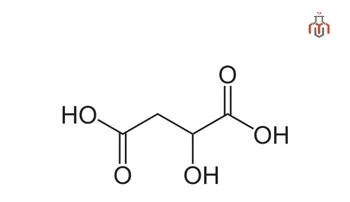
CAS No.: 6915-15-7
Synonyms: 2-Hydroxysuccinic acid, Malicum acidum, Aepfelsaeure, DL-Apple Acid, Kyselina hydroxybutandiova, (±)-Malic acid, (S/R)-Hydroxybutanedioic acid
| Physical Properties | |
| Chemical formula | C4H6O5 |
| IUPAC name | 2-Hydroxybutanedioic acid |
| Molecular weight | 134.09 g/mol |
| Solubility | Highly soluble in water, practically insoluble in acetone and ether |
| Odor | Odorless |
| Flash point | 203 °C |
| Density | 1.61 g/cm³ |
| Chemical Properties | |
| Appearance | Crystalline solid or granules |
| Color | Colorless |
Melting point | 127-132 °C |
| Boiling point | Decomposes before boiling |
| Taste | Smoothly tart |
| Vapour density | 0.00000293 [mmHg] |
| LogP | -1.26 |
Malic acid is generally recognised as safe (GRAS) by the FDA; however, there may be Possible side effects associated with malic acid, Such as –
| Pictograms : |
|
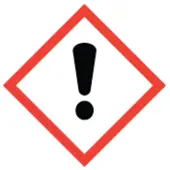
| Hazard Statements : | H315 Causes skin irritation H319 Causes serious eye irritation |
| Precautionary statements : | P264 Wash skin thoroughly after handling P280 Wear protective gloves/ eye protection/ face protection P302 + P352 IF ON SKIN: Wash with plenty of water P305 + P351 + P338 IF IN EYES: Rinse cautiously with water for several minutes Remove contact lenses, if present and easy to do. Continue rinsing P332 + P313 If skin irritation occurs: Get medical advice/ attention P337 + P313 If eye irritation persists: Get medical advice/ attention |
Malic acid is a dicarboxylic acid found in fruits such as apples, cherries, and grapes naturally. It exists in two enantiomeric forms: L-malic acid, the natural isomer found in plants and produced in the human body, and D-malic acid, which is produced synthetically through chemical process. The name malic acid is derived from the Latin word malum, meaning apple.
In the human body malate ion of malic acid plays a vital role as a metabolic intermediate in the citric acid (Krebs) cycle and helps in cellular energy production. Malic acid is added to foods and beverages as a flavouring agent and in cosmetics to adjust pH, smooth skin. It is also classified as GRAS (Generally Recognized as Safe) by the U.S. FDA for direct use as a food additive.
CAS No.: 6915-15-7
Synonyms: 2-Hydroxysuccinic acid, Malicum acidum, Aepfelsaeure, DL-Apple Acid, Kyselina hydroxybutandiova, (±)-Malic acid, (S/R)-Hydroxybutanedioic acid
| Physical Properties | |
| Chemical formula | C4H6O5 |
| IUPAC name | 2-Hydroxybutanedioic acid |
| Molecular weight | 134.09 g/mol |
| Solubility | Highly soluble in water, practically insoluble in acetone and ether |
| Odor | Odorless |
| Flash point | 203 °C |
| Density | 1.61 g/cm³ |
| Chemical Properties | |
| Appearance | Crystalline solid or granules |
| Color | Colorless |
Melting point | 127-132 °C |
| Boiling point | Decomposes before boiling |
| Taste | Smoothly tart |
| Vapour density | 0.00000293 [mmHg] |
| LogP | -1.26 |
Malic acid is generally recognised as safe (GRAS) by the FDA; however, there may be Possible side effects associated with malic acid, Such as –
| Pictograms : |
|
| Hazard Statements : | H315 Causes skin irritation H319 Causes serious eye irritation |
| Precautionary statements : | P264 Wash skin thoroughly after handling P280 Wear protective gloves/ eye protection/ face protection P302 + P352 IF ON SKIN: Wash with plenty of water P305 + P351 + P338 IF IN EYES: Rinse cautiously with water for several minutes Remove contact lenses, if present and easy to do. Continue rinsing P332 + P313 If skin irritation occurs: Get medical advice/ attention P337 + P313 If eye irritation persists: Get medical advice/ attention |