
What is Hydroquinone?
Hydroquinone, also called quinol, is an aromatic organic compound having two hydroxy groups bonded to a benzene ring in a para position. It reduces melanin production, making it an effective agent for reducing dark spots. It is widely used in skin-lightening creams for the treatment of melasma, post-inflammatory hyperpigmentation (PIH), and solar lentigines due to its tyrosinase-inhibiting activity.
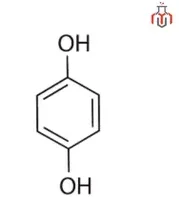
CAS No.: 123-31-9
Synonyms: 1,4-Benzenediol, Quinol, p-Dihydroxybenzene, p-Hydroxyphenol, 1,4-Dihydroxybenzene
Properties of HydroquinoneÂ
| Physical Properties | |
| Chemical formula | Â C6H6O2 |
| IUPAC name | Benzene-1,4-diol |
| Molecular weight | 110.11 g/mol |
| Solubility | Soluble in ethanol, ether, and hot water |
| Odor | Odorless |
| Flash point | 49°C [120°F] |
| Density | 1.230/cm3 |
| Chemical Properties | |
| Color | White or light gray |
| State | Crystal or powder |
| Boiling point | 285-287 °C |
| Melting point | 170-171 °C |
| LogP | 0.59 |
| Vapour density | 0.000019 [mmHg] |
| pKa | 10.85 at 25 °C |
Uses of Hydroquinone
Dermatological Applications
- Commonly used as first-line therapy for epidermal melasma (chloasma), due to its ability to inhibit melanin production.Â
- It is used to treat post-inflammatory hyperpigmentation (PIH), helping reduce dark spots, under-eye circles, and discoloration caused by burns or skin injuries.
- Effectively reduces pigmentation from chronic sun exposure (solar lentigines) and shows enhanced results when combined with tretinoin or glycolic acid.
- Helps reduce the appearance of benign pigmented macules such as freckles (ephelides).
Cosmetic and personal care use
- Widely used in skin-lightening creams, available in 2% concentrations over the counter and up to 4% with a prescription.
- Often combined with compounds like Kojic Acid to enhance tyrosinase inhibition and accelerate skin-lightening results.
- Used in depigmenting serums, often formulated with exfoliating agents for better absorption and efficacy.
Industrial Use
- Used in photography as a reducing agent to convert silver halide crystals into metallic silver.Â
- Used as a stabilizer and antioxidant in resins and rubber monomers such as acrylic acid, methyl methacrylate, and cyanoacrylate.
- Used in the paints and varnishes industry to stabilize coatings and inhibit oxidation of oil-based drying agents.
- A synthetic derivative of hydroquinone, Tert-butyl hydroquinone (TBHQ) is widely used as a food-grade antioxidant to prevent rancidity in edible oils and fats
Side Effects of Hydroquinone
Hydroquinone is generally safe under medical supervision, but there may be possible side effects that occur in some individuals.
- Skin irritation and redness
- Allergic contact dermatitis
- Dryness or stinging
- Post-inflammatory erythema
- Rarely, ochronosis (bluish-black pigmentation) with prolonged use or misuse
- Irritates the nose and throat if inhaled
- It can irritate and burn the eyes.
In severe cases
- It may affect the liver and kidneys
- Staining and discoloration of the eyes (corneal opacities)
- May increase the risk of neoplasms and infertility
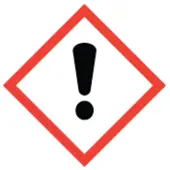
| Pictograms : |
|
| Hazard Statements : | H302 – Harmful if swallowed H317 – May cause an allergic skin reaction H318 – Causes serious eye damage H341 – Suspected of causing genetic defects H351 – Suspected of causing cancer H410 – Very toxic to aquatic life with long-lasting effects  |
| Precautionary statements : | P273 – Avoid release to the environment. P280 – Wear protective gloves/protective clothing/eye protection/face protection. P301 + P312 – IF SWALLOWED: Call a POISON CENTER/doctor if you feel unwell. P302 + P352 – IF ON SKIN: Wash with plenty of water. P305 + P351 + P338 – IF IN EYES: Rinse cautiously with water for several minutes. P308 + P313 – IF exposed or concerned: Get medical advice/attention. |
What is Hydroquinone?
Hydroquinone, also called quinol, is an aromatic organic compound having two hydroxy groups bonded to a benzene ring in a para position. It reduces melanin production, making it an effective agent for reducing dark spots. It is widely used in skin-lightening creams for the treatment of melasma, post-inflammatory hyperpigmentation (PIH), and solar lentigines due to its tyrosinase-inhibiting activity.

CAS No.: 123-31-9
Synonyms: 1,4-Benzenediol, Quinol, p-Dihydroxybenzene, p-Hydroxyphenol, 1,4-Dihydroxybenzene
Properties of HydroquinoneÂ
| Physical Properties | |
| Chemical formula | Â C6H6O2 |
| IUPAC name | Benzene-1,4-diol |
| Molecular weight | 110.11 g/mol |
| Solubility | Soluble in ethanol, ether, and hot water |
| Odor | Odorless |
| Flash point | 49°C [120°F] |
| Density | 1.230/cm3 |
| Chemical Properties | |
| Color | White or light gray |
| State | Crystal or powder |
| Boiling point | 285-287 °C |
| Melting point | 170-171 °C |
| LogP | 0.59 |
| Vapour density | 0.000019 [mmHg] |
| pKa | 10.85 at 25 °C |
Uses of Hydroquinone
Dermatological Applications
- Commonly used as first-line therapy for epidermal melasma (chloasma), due to its ability to inhibit melanin production.Â
- It is used to treat post-inflammatory hyperpigmentation (PIH), helping reduce dark spots, under-eye circles, and discoloration caused by burns or skin injuries.
- Effectively reduces pigmentation from chronic sun exposure (solar lentigines) and shows enhanced results when combined with tretinoin or glycolic acid.
- Helps reduce the appearance of benign pigmented macules such as freckles (ephelides).
Cosmetic and personal care use
- Widely used in skin-lightening creams, available in 2% concentrations over the counter and up to 4% with a prescription.
- Often combined with compounds like Kojic Acid to enhance tyrosinase inhibition and accelerate skin-lightening results.
- Used in depigmenting serums, often formulated with exfoliating agents for better absorption and efficacy.
Industrial Use
- Used in photography as a reducing agent to convert silver halide crystals into metallic silver.Â
- Used as a stabilizer and antioxidant in resins and rubber monomers such as acrylic acid, methyl methacrylate, and cyanoacrylate.
- Used in the paints and varnishes industry to stabilize coatings and inhibit oxidation of oil-based drying agents.
- A synthetic derivative of hydroquinone, Tert-butyl hydroquinone (TBHQ) is widely used as a food-grade antioxidant to prevent rancidity in edible oils and fats
Side Effects of Hydroquinone
Hydroquinone is generally safe under medical supervision, but there may be possible side effects that occur in some individuals.
- Skin irritation and redness
- Allergic contact dermatitis
- Dryness or stinging
- Post-inflammatory erythema
- Rarely, ochronosis (bluish-black pigmentation) with prolonged use or misuse
- Irritates the nose and throat if inhaled
- It can irritate and burn the eyes.
In severe cases
- It may affect the liver and kidneys
- Staining and discoloration of the eyes (corneal opacities)
- May increase the risk of neoplasms and infertility
| Pictograms : |
|
| Hazard Statements : | H302 – Harmful if swallowed H317 – May cause an allergic skin reaction H318 – Causes serious eye damage H341 – Suspected of causing genetic defects H351 – Suspected of causing cancer H410 – Very toxic to aquatic life with long-lasting effects  |
| Precautionary statements : | P273 – Avoid release to the environment. P280 – Wear protective gloves/protective clothing/eye protection/face protection. P301 + P312 – IF SWALLOWED: Call a POISON CENTER/doctor if you feel unwell. P302 + P352 – IF ON SKIN: Wash with plenty of water. P305 + P351 + P338 – IF IN EYES: Rinse cautiously with water for several minutes. P308 + P313 – IF exposed or concerned: Get medical advice/attention. |
FAQ's
Hydroquinone lightens the skin by inhibiting melanin production, while tretinoin promotes skin cell health and reduces wrinkles, and it can be used in combination on a daily basis. However, it is advisable to consult with an expert before using this.
Hydroquinone will take almost 4 to 8 weeks to show its effects; however, it also depends on the concentration of the dosage and the sensitivity of the skin.
Hydroquinone is not available over the counter in the United States; to buy hydroquinone, it must be prescribed by a doctor.
Hydroquinone can be absorbed into the bloodstream after topical application. Due to its absorption into the bloodstream, it can potentially cause systemic effects.
Hydroquinone is not a steroid; it is an aromatic phenol compound that works by reducing melanin production. Sometimes combined with steroids in prescription creams for enhanced effects.
Clean the skin thoroughly and apply a thin layer to the affected area, and let it fully absorb. Use twice daily for a few weeks as prescribed by the expert, and wash hands before and after applying the medication.